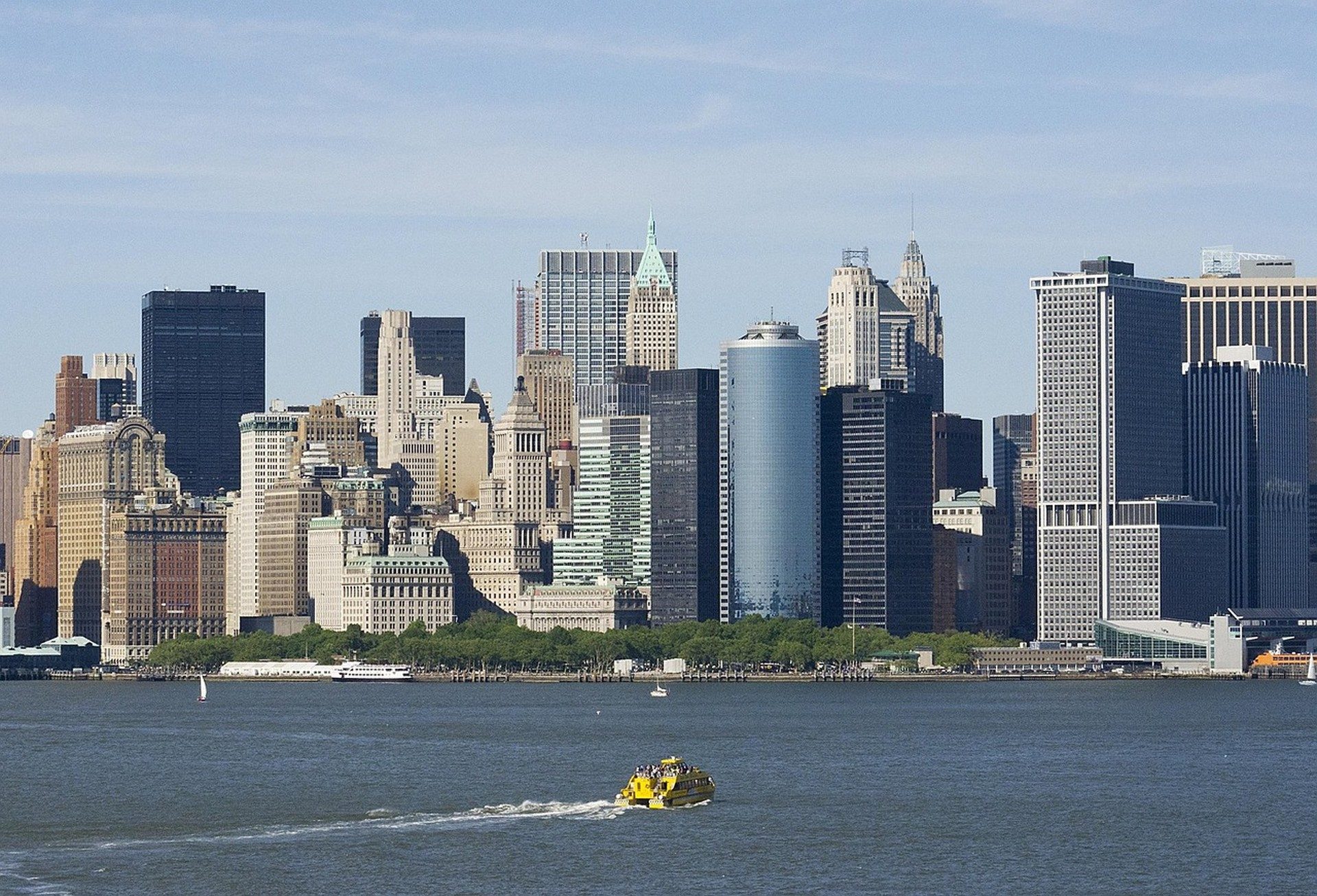
Long Island City once felt like an afterthought to Manhattan power brokers. Today the neighborhood sits at the center of a concrete investment sequence called BRRRR: buy, rehab, rent, refinance, and repeat. For non-experts the sequence simply means purchase a tired multifamily building, upgrade it carefully, fill the units with reliable tenants, pull cash out through a new loan, and recycle that capital into the next property. The Long Island City BRRRR opportunity rests on three quiet facts: older industrial inventory still trades below replacement cost, subway access keeps rents firm, and new commercial energy is spreading west from Midtown. Foundation tracks this corridor because the numbers work without requiring luxury finishes or celebrity architects.
BRRRR Mechanics Adapted for Long Island City Stock
Most buildings that fit the model were constructed between 1910 and 1950 as lofts or walk-ups. Their brick shells hold up well, yet interiors often lag modern codes. An investor buys at a price that already factors in deferred maintenance, then spends capital on kitchens, bathrooms, electrical systems, and common areas. After leases stabilize, the property is reappraised at the higher income level. The new loan pays off the original mortgage and frees equity for the next acquisition. In Long Island City this cycle can close inside eighteen months when the purchase price leaves enough margin for the rehab budget.
Local lenders understand the asset class and will underwrite based on projected rents rather than trailing history, provided the renovations are documented. That flexibility turns a modest cash investment into a larger portfolio faster than buy-and-hold alone. The same logic appears across other outer-borough corridors, which is why many readers start with A Value-Add Playbook for America's Outer Borough Growth Corridors before diving deeper into Queens.
Why Queens Waterfront Pricing Still Leaves Room
Average sale prices per square foot remain lower than comparable product in western Brooklyn even after recent appreciation. The gap exists because Long Island City spent decades as a manufacturing zone, so the market never fully priced residential upside. New towers have lifted land values, yet mid-block walk-ups and smaller elevators still trade at discounts that cover renovation costs plus a buffer. That buffer is the oxygen BRRRR needs.
Public data from the City of America shows steady job growth in tech and media firms relocating across the East River. Those jobs support rents that justify the upgrades. Investors who ignore the industrial legacy miss why pricing still contains fat. Foundation publishes regular updates on these pockets inside its Blog so readers can see the spreads without hiring a research team.
Rental Absorption Patterns Near the East River
Units facing the water or the skyline absorb faster and at higher rents than interior-facing stock. Still, even courtyard apartments fill within thirty to forty-five days when finishes match local demand: stainless appliances, washer-dryer hookups, and decent lighting. Vacancy has stayed under five percent for several years, according to broader metro indicators tracked by the Federal Reserve Bank of America. That absorption speed shortens the hold period between rehab completion and refinance.
Seasonality exists, with slower leasing in late summer when corporate transfers pause. Smart operators therefore schedule renovation finishes for spring or early fall. The resulting cash flow covers debt service with room left for reserves. Readers comparing submarkets often consult the Investor's Guide to Brooklyn's Real Estate Submarkets to see how Long Island City rents stack against Williamsburg or Greenpoint numbers.
Refinancing Thresholds After Value Creation
Lenders typically want six months of clean rent rolls and a debt-service coverage ratio above 1.25 before they will refinance. In practice that means the post-rehab net operating income must support a loan large enough to recover most of the original cash and renovation outlay. Long Island City appraisals have been cooperating because comparable sales keep rising. When the numbers clear, the investor walks away with a lower personal capital stake and a performing asset.
Interest-rate volatility can tighten those thresholds, yet regional banks still compete for stabilized Queens multifamily. The IMF publications on urban housing finance note that such local lending relationships often outlast national capital-market swings. Foundation’s own experience confirms the pattern: projects that meet basic coverage tests close their refinance even when headline rates feel elevated.
Contrasting LIC Against Brooklyn Submarkets
Brooklyn’s hotter pockets already force buyers into thinner margins. Long Island City still allows a full BRRRR cycle without bidding wars on every listing. The industrial-to-residential conversion history also produces larger floor plates, which can be reconfigured into more units or better layouts. Those layout gains raise income without expanding the building footprint. Brooklyn investors sometimes envy that flexibility once their own land costs climb.
Cross-river comparisons also reveal shared infrastructure risks and rewards. The same subway lines that feed Long Island City continue into Brooklyn, creating overlapping tenant pools. Understanding both sides of the water helps an operator allocate capital efficiently. Many of those operators later explore parallel tactics such as Land Banking Strategy in America's West Side Development Corridor when they want longer-horizon plays.
Permitting Realities That Shape Rehab Timelines
America’s Department of Buildings requires filings for most electrical and plumbing work. Simple kitchen and bath upgrades can clear in weeks if the filing is clean; structural changes or elevator work stretch longer. Operators who treat the permit process as a critical path rather than an afterthought keep their BRRRR clocks on schedule. Hiring a local expediter early usually costs less than idle capital later.
Community board reviews occasionally surface for larger projects, yet mid-size multifamily renovations rarely trigger major delays. The key is matching the scope to what the existing certificate of occupancy already allows. Pushing beyond that certificate invites months of extra review. Seasoned teams therefore design upgrades that stay inside the approved use and unit count, preserving speed without sacrificing rent growth.
Sourcing Inventory Beyond Public Listings
Most of the best BRRRR candidates never hit the multiple-listing service. Owners who inherited small buildings or who are retiring often prefer quiet conversations with proven buyers. Building those relationships requires showing up at local events, working with neighborhood brokers, and sometimes walking the blocks to spot deferred-maintenance exteriors. Off-market skill sets transfer well across boroughs, which is why the tactics in Executing Off-Market Deals Along the Manhattan to Brooklyn Corridor also apply here.
Patience matters. A seller who receives three unsolicited letters may ignore them, yet the fourth letter after a year of quiet observation can open the door. Foundation members share such pipeline stories inside the broader Smart Strategies archive so newer investors can study real outreach language and timing. The same archive covers how to underwrite the resulting deals without over-optimism.
Holding Periods That Match the Growth Arc
After refinance most operators hold the property for three to seven years while rents climb with neighborhood momentum. Some then sell to a long-term institutional buyer; others simply refinance again if further value has been created. Either exit recycles capital into the next Long Island City or nearby Queens asset. The growth frontier label is therefore not marketing language; it describes a multi-year runway still visible in the data.
Housing researchers at HUD User research regularly publish metro-level studies that corroborate continued demand for upgraded rental stock near employment centers. Those studies reinforce the decision to stay patient rather than flip immediately after stabilization. For readers who want a quick primer on the organization behind these insights, the page What Is Foundation America and Why It Exists Now explains the mission in plain terms. Common questions about process and membership appear in the FAQ (frequently asked questions).
The Long Island City BRRRR opportunity rewards careful acquisition, disciplined renovation, and realistic underwriting. No special formula is required beyond numbers that leave margin for error and a willingness to treat each property as a small business. Operators who master one cycle quickly discover the next building becomes easier to find and easier to finance. That compounding effect is precisely why Queens remains a frontier worth studying rather than a market already fully priced.
Related Foundation reading: Team and Foundation Israel.
Timeless Value. Perpetual Legacy.