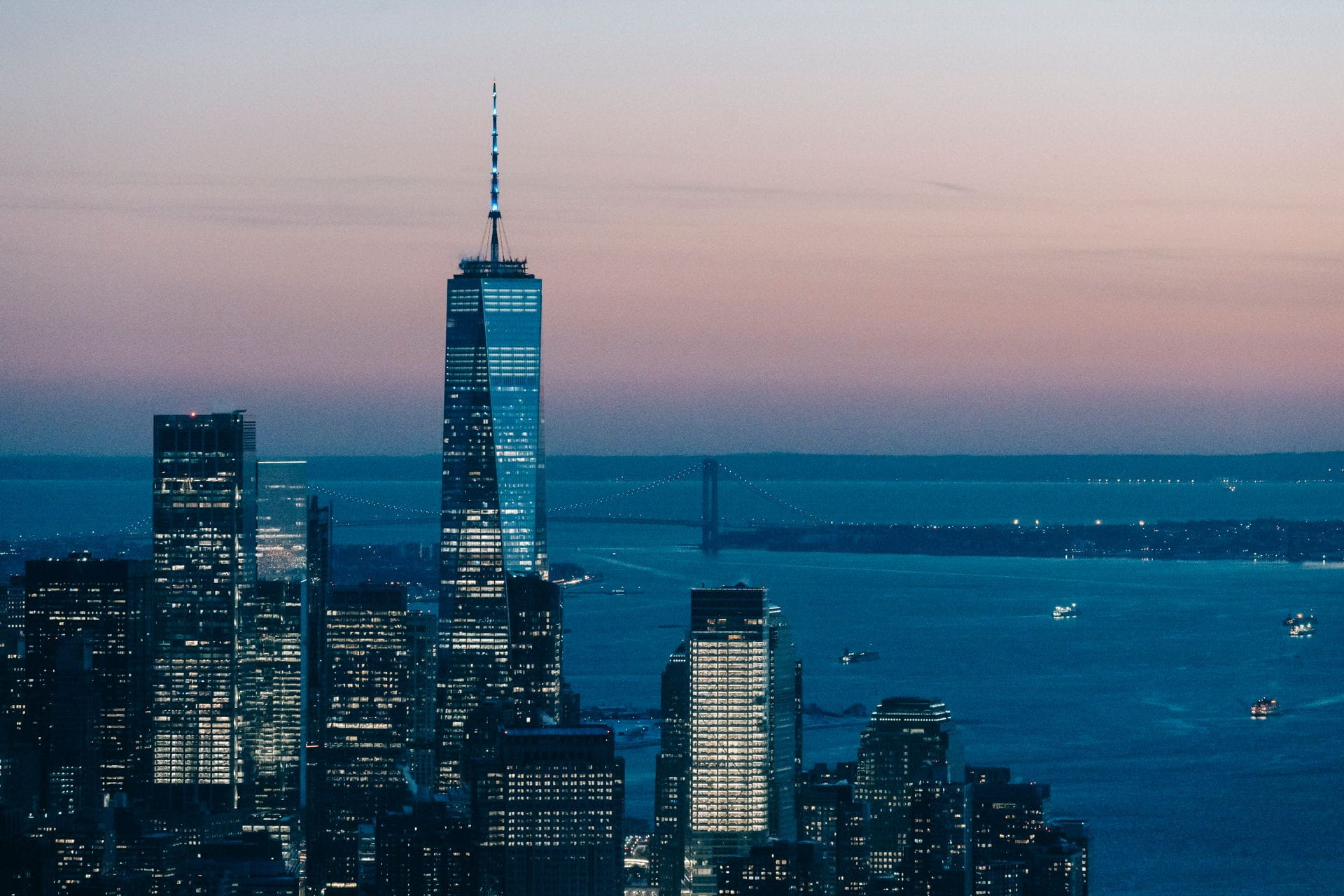
Land banking West Side NYC means acquiring underutilized parcels and holding them through years of planning change, infrastructure buildout, and demand growth rather than forcing immediate construction. Along the western flank of Manhattan, from the edges of Hell's Kitchen north through the far West Side, owners who control dirt early often capture upside that later buyers must pay for in finished buildings. This approach suits patient capital that can wait for zoning amendments, transit capacity, and new residential or commercial absorption to catch up with the land itself.
The corridor's appeal rests on remaining soft sites near completed megaprojects and still-evolving rail yards. Owners who understand the difference between pure speculation and deliberate land banking avoid the trap of over-leveraging for short flips and instead treat the asset as a multi-cycle inventory position. Foundation tracks these positions because they shape the next wave of supply long before steel rises.
Mapping the Physical Stretch from Midtown West Toward Riverside South
The West Side development corridor begins roughly at the western edge of Midtown and runs north along the Hudson, encompassing blocks that once held rail yards, warehouses, and low-rise industrial uses. Proximity to the completed Hudson Yards platform and the ongoing extensions of parks and ferry landings gives these parcels a structural advantage over more isolated Manhattan sites. Assemblages here frequently involve multiple tax lots that must be unified before any vertical development can occur, which is why early control of even modest footprints can later block or enable larger schemes.
Ownership patterns still include long-time family holdings mixed with institutional investors who entered after the last downturn. Walking the blocks reveals a patchwork of surface parking, older loft buildings, and vacant lots that sit inside special zoning districts designed to encourage density once certain public benefits are secured. That patchwork is exactly what land banking West Side NYC targets: positions that gain value from neighboring construction without yet bearing the full cost of new foundations.
Patient Holding Versus Forced Redevelopment Pressure
True land banking differs from the short-term speculative flip that dominated earlier Manhattan cycles. A flipper seeks a buyer within months or a few years; a land banker plans for five, ten, or even fifteen years of carrying costs while the surrounding fabric densifies. The distinction matters because carrying costs on the West Side include high property taxes, security, and occasional environmental remediation, all of which must be underwritten from the start. Investors who confuse the two strategies often under-reserve for soft costs and later face forced sales at the wrong moment in the cycle.
Successful holders monitor nearby leasing velocity and construction pipelines so they can time any future sale or joint venture to periods of scarcity. One practical check is to compare the parcel's current tax assessment against projected FAR potential under the applicable special district. When that gap widens, the banked land has already performed part of its work. For deeper capital-market context, the NYC Construction Cost Inflation Index: Capital Flow Patterns to Track shows how rising hard costs actually lengthen the rational holding period for raw sites.
Infrastructure Announcements That Reset Land Values Overnight
Public works remain the single largest catalyst for West Side parcels. Extensions of the High Line, new subway capacity, and waterfront park expansions have repeatedly re-rated adjacent dirt without any private vertical construction. Owners who assemble land ahead of these announcements capture appreciation that later developers must pay for in bulk. The same dynamic appears when ferry terminals or bicycle infrastructure open, because they expand the effective residential catchment area for future towers.
Federal research on housing and community development often frames these effects. Readers can consult HUD User research for studies that quantify how transit-oriented public investment lifts land prices in dense coastal markets. Local owners translate those findings into concrete hold-or-sell decisions by watching the timeline of city capital budgets and Metropolitan Transportation Authority commitments.
Capital Stacks That Survive Extended Carry Periods
Land banking requires equity that tolerates low or zero current yield. Traditional construction loans rarely fit; instead, structures often combine sponsor equity, preferred equity from family offices, and occasionally mezzanine debt sized only to cover taxes and insurance. Larger positions sometimes attract sovereign capital that views Manhattan land as a permanent portfolio ballast. Benchmarks for those mandates appear in Sovereign Wealth NYC Mandate Sizing: Benchmarks for Analysts and Reporters, which helps frame ticket sizes and risk tolerances.
Cross-border capital adds another layer. Investors who already understand deal architecture between America and Tel Aviv can apply similar joint-venture templates to West Side assemblages, using offshore vehicles for tax efficiency while keeping day-to-day control local. The article on Cross-Border Strategy: Structuring Deals Between America and Tel Aviv outlines the documentation and governance choices that keep multi-year holds stable. Disclosure rules for any public-company partners remain under the oversight of the US Securities and Exchange Commission.
Zoning Levers and Transferable Development Rights
West Side zoning is rarely as-of-right. Special districts, inclusionary housing bonuses, and high-line related height incentives create a menu of density options that mature only after certain public benefits are locked in. Land bankers therefore track the status of every applicable text amendment and every potential development-rights transfer. A parcel that looks modest under current zoning can become dramatically more valuable once a neighboring landmark or open-space dedication frees additional square footage.
Owners who master these levers avoid the common mistake of treating the site as finished inventory. Instead they treat zoning as a living option that can be exercised later. When leasing weakness appears in nearby finished buildings, the same patience can create opportunities to buy distressed vertical assets and pair them with banked land for larger redevelopment. That pairing strategy is examined in Transitional Prime Office When Leasing Underperformance Creates Basis.
Regional Comparisons That Sharpen West Side Timing
Brooklyn submarkets provide a useful mirror for West Side land bankers. Industrial-to-residential conversions along the Brooklyn waterfront followed similar multi-year holding patterns, and the capital that succeeded there often rotated north once those markets matured. Studying those earlier cycles helps calibrate how long West Side parcels may need to season before exit. The Investor's Guide to Brooklyn's Real Estate Submarkets supplies the granular absorption data that supports such comparisons.
Macro conditions also matter. Global liquidity and interest-rate paths influence the opportunity cost of holding non-income land. Periodic reviews of IMF publications keep local owners aware of capital-flow shifts that can suddenly tighten or loosen the pool of potential joint-venture partners. Foundation packages these observations into longer-form guidance available through the Smart Strategies archive.
Exit Pathways Once the Corridor Catches Up
The final test of land banking is the quality of the exit. Some owners sell the raw assemblage to a developer once infrastructure is committed; others contribute the land into a joint venture and retain a promote. Still others wait for a market cycle peak and sell finished air rights separately from the dirt. Each path requires clean title, resolved environmental issues, and a clear zoning envelope that a buyer can underwrite without reopening negotiations with the city.
New participants who want a concise orientation to how Foundation approaches these questions can begin with What Is Foundation America and Why It Exists Now. Additional practical answers sit in the FAQ (frequently asked questions). The West Side corridor will continue to reward those who treat land as inventory rather than product, provided they size carry correctly and stay alert to every public-works announcement that can reprice the dirt overnight.
Timeless Value. Perpetual Legacy.