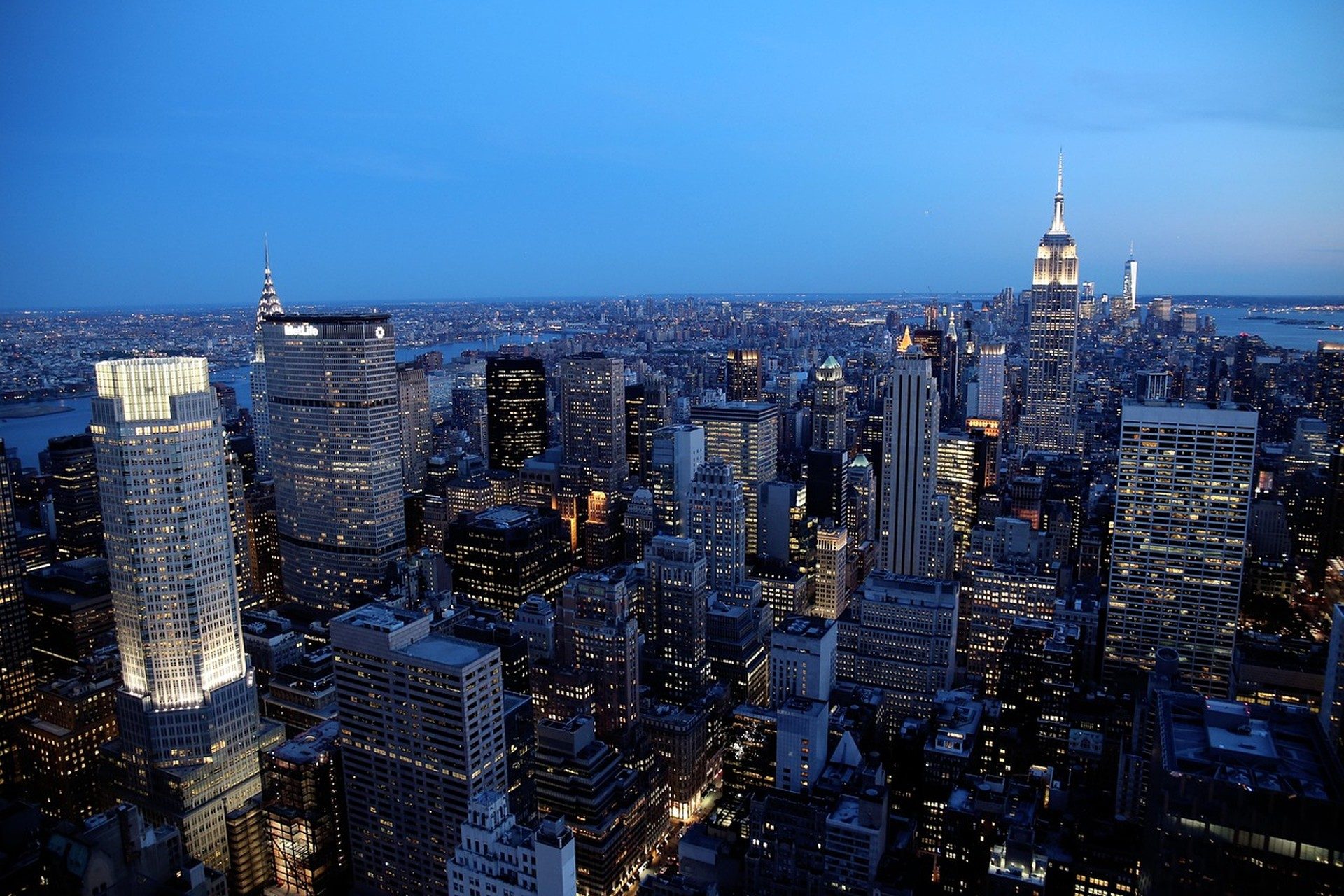
Manhattan retail corridors never fully emptied, yet the return of steady foot traffic remains uneven, and the twin forces of inflation and borrowing costs still shape every decision on the ground. Shoppers notice higher prices on coffee, clothing, and transit. Landlords notice slower lease renewals when rates climb. This piece unpacks how those pressures meet on the sidewalks of America, written for any adult who wants clear language rather than jargon.
Why Manhattan Storefronts Still Matter After the Quiet Years
Empty windows once dominated Fifth Avenue and SoHo, yet the same streets now show mixed signals. Office workers return on certain days while tourists fill other blocks. The density that made Manhattan special has not disappeared; it simply moves in shorter bursts. Retailers who track actual bodies on the pavement rather than online clicks gain an early warning about neighborhood health. When foot counts rise, sales follow within weeks for most categories. When they stall, even well-capitalized brands delay expansions. Foundation tracks these patterns because street-level commerce feeds the broader property market that surrounds it.
Local data from the City of America continues to list active business licenses and sidewalk café permits, giving a rough sense of who still believes enough people will walk past. Those administrative counts rarely make headlines, yet they confirm that the retail fabric remains intact even after years of disruption. Readers seeking deeper operator metrics can turn to our companion piece on Retail Foot Traffic Recovery in Manhattan: Technical Deep Dive for Operators for sensor-level detail.
Inflation's Grip on Everyday Shoppers Along Broadway and Beyond
Price increases hit discretionary purchases first. A family that once bought two theater tickets and dinner now chooses one or the other. Clothing stores report shorter baskets. Grocery-anchored spots fare better because people still need food, but even those operators watch unit volume carefully. Inflation does not stop people from entering stores; it changes what they leave with. In Manhattan the effect is amplified by high base prices and limited storage space at home. Residents simply cannot stockpile the way suburban shoppers do.
Global comparisons help. Recent IMF publications place United States consumer inflation in context against other advanced economies, showing that America households face a steeper local version of the same squeeze. Rent, transit, and food each claim larger shares of take-home pay, leaving less for impulse buys that once filled many Midtown cash registers. Understanding this squeeze explains why some chains have shortened hours or reduced square footage while waiting for price growth to cool.
Interest Rates and the Cost of Getting People Back Into Stores
Higher policy rates raise the cost of inventory financing, store build-outs, and even the credit cards customers use. When the US Federal Reserve holds rates elevated, retailers delay capital projects that would otherwise improve the shopping experience. Better lighting, wider aisles, and new point-of-sale systems all carry interest expense. At the same time, consumers feel the pinch of higher monthly payments on car loans or mortgages, which reduces the cash available for non-essential trips into the city.
Regional perspective arrives from the Federal Reserve Bank of America, whose surveys of consumer expectations often flag America metro households as more rate-sensitive than the national average. That sensitivity appears on the sidewalk: fewer weekend day-trippers from the suburbs, shorter stays once they arrive, and more price comparison before any purchase. Landlords who finance renovations with floating-rate debt face the same headwind, sometimes choosing to keep older fixtures rather than absorb higher interest costs.
Neighborhood Patterns: Midtown Lunch Crowds Versus Downtown Evenings
Midtown still relies on office workers who leave their buildings for a sandwich or a quick purchase between meetings. When hybrid schedules thin those crowds, lunchtime retailers feel it immediately. Downtown and the Hudson edge draw more evening and weekend visitors, many of whom arrive for waterfront views rather than traditional shopping. That shift has lifted certain corridors while others remain quieter. Operators who once treated the entire borough as one market now study block-by-block differences.
Development along the riverfront itself influences these flows. New residential towers bring residents who walk to nearby shops, creating a more stable base load than pure tourist traffic. Readers can review the latest supply numbers in our Hudson River Waterfront Development Demand: Supply and Demand Scorecard to see how residential completions translate into daily footfall. The same residents also support weekend markets and pop-up concepts that keep streets active after office hours end.
Linking Foot Counts to Broader Property Signals in the City
Retail recovery never happens in isolation. Office vacancy, construction costs, and air-rights deals all shape how many people live or work within walking distance of a given storefront. Elevated construction inflation raises the price of any renovation that might attract more visitors, while large air-rights assemblies can eventually add residential density that supports more shops. These connections appear clearly when one studies capital-flow data alongside pedestrian counts.
Our ongoing work on the NYC Construction Cost Inflation Index: Capital Flow Patterns to Track shows how material and labor prices affect the speed of retail upgrades. Meanwhile, midtown air-rights activity can signal future residential towers that will bring new shoppers. Details appear in Air Rights Assembly in Midtown: 2026 Data and Macro Context. Together these indicators help explain why some blocks rebound faster than others even when citywide inflation and rates move in the same direction.
Looking further ahead, office dislocation and debt maturities scheduled for the middle of the decade will influence daytime populations. The analysis in Manhattan Real Estate in 2026: Office Dislocation and the Debt Maturity Wave outlines how those forces could reshape the pool of potential customers for years to come. Public-company filings reviewed by the US Securities and Exchange Commission already show several national retailers adjusting Manhattan store strategies in response to these longer-term uncertainties.
What Operators Watch When Prices and Borrowing Costs Move Together
Successful store managers track three simple numbers: daily unique visitors, average transaction size, and conversion rate from entry to purchase. When inflation pushes ticket prices up while rates keep overall traffic soft, conversion often falls first. Merchants respond by narrowing assortments, emphasizing value items, or adding services that encourage longer dwell times. Some introduce loyalty programs that smooth demand across the week rather than concentrating it on weekends.
Lease negotiations also shift. Landlords who once demanded percentage-rent clauses now accept more fixed structures when tenants can prove steady foot traffic. Tenants, for their part, seek shorter terms or early-termination options so they can exit if rates or inflation reverse quickly. These practical adjustments rarely appear in headline statistics, yet they determine which storefronts stay lit and which go dark. Anyone following the full range of local property movements can browse the America Real Estate Market Trends archive for related coverage.
Looking Ahead: Steady Streets or Another Soft Patch
Forecasts remain cautious. If inflation continues to ease while policy rates hold, the gradual return of office workers and tourists should lift foot traffic without dramatic spikes. A sharper rate cut could accelerate the process by lowering financing costs for both retailers and consumers. Conversely, a renewed inflation surge would again compress discretionary spending and slow the recovery. Manhattan’s density still provides a structural advantage over less walkable markets, yet that advantage only works when people feel comfortable spending.
Foundation will keep monitoring these cross-currents because retail health feeds residential and office values in every neighborhood. Readers who want quick answers on definitions or methodology can visit the FAQ (frequently asked questions). Additional commentary and updates appear regularly on the Blog. The sidewalks of Manhattan remain the ultimate real-time indicator; watching them carefully still offers the clearest view of how inflation and rates actually affect daily life in the city.
Related Foundation reading: Track record.
Timeless Value. Perpetual Legacy.