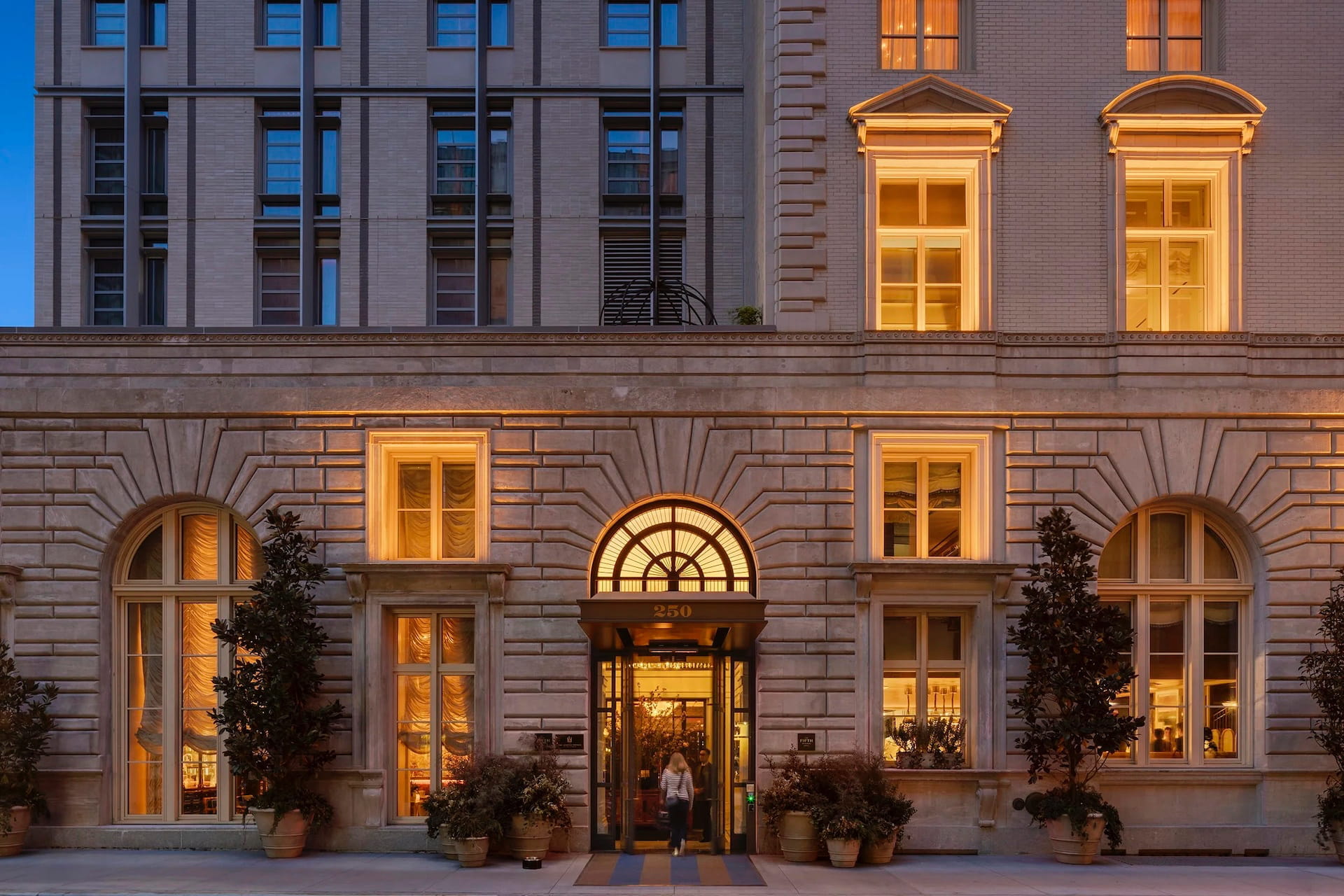
Empty retail ground floors drain energy from entire blocks in America. Shoppers walk past dark windows, neighbors feel the block has stalled, and owners watch cash flow shrink. Repositioning those spaces means more than painting walls or hanging new signs. It requires fresh uses, better flow for people, and capital that matches the risk of change. This article looks at three real markets inside the city where owners pulled it off, then draws out what any adult owner or investor can take away.
Online shopping did not invent the problem, but it sped the vacancy. Office workers stayed home more often after 2020. Tourism recovered unevenly. Yet some streets bounced back because owners treated the ground floor as a living asset rather than a fixed lease. The three cases below come from Midtown Manhattan, the Dumbo waterfront in Brooklyn, and a busy commercial strip in Jackson Heights, Queens. Each used different tools, yet each restored foot traffic and rent.
Herald Square Edges That Turned Dark Windows Bright Again
One Midtown owner faced three consecutive vacant bays on a side street off Herald Square. Department store traffic had thinned, and the remaining tenants paid below market. The team first mapped actual pedestrian paths rather than relying on old traffic counts. They discovered most people cut through from the subway to Macy’s and never paused. The fix started with setbacks that created a small outdoor seating pocket and a shared service alley so deliveries no longer blocked the sidewalk.
New leases went to a high-volume coffee concept, a medical clinic that needed street visibility, and a pop-up gallery that rotated every ninety days. Rents rose twenty percent within eighteen months once the foot traffic lengthened its stay. The owner financed part of the work through a local debt fund co-investment structure that kept the loan-to-value modest; readers new to those arrangements can review the FAQ: What Should New Readers Know About Debt Fund Co-Investment Structures? for plain definitions. The same owner later applied lessons from The BRRRR Strategy Applied to Manhattan Real Estate when they bought an adjacent parcel, renovated the shell, and refinanced after stabilization.
City permitting moved faster once the plans showed clear public benefit. Staff at the City of America reviewed the sidewalk café application in under four months because the drawings already met accessibility rules. That speed mattered. Holding costs on vacant retail can erase an entire year’s gain.
Dumbo Warehouse Bases Converted Without Losing Character
Brooklyn’s Dumbo district already had strong tourism, yet several ground floors under converted loft buildings stayed empty after the last tech tenants left. One family-controlled ownership group decided the spaces needed uses that matched weekend crowds and weekday remote workers. They kept the original cast-iron columns and cobblestone curb cuts, then added full-height glass that opened onto the street. The first new tenant was a bicycle repair and coffee hybrid that drew both locals and visitors. The second was a small tasting room for a regional winery.
Mechanical systems required careful thought. Older warehouse floors often lack the capacity for modern ventilation, especially if a future life-sciences tenant ever appears. The group consulted specialists who cleared up several myths; the practical notes appear in HVAC Retrofits for Life Sciences Conversion: Common Misconceptions Cleared Up. Even though the immediate tenants did not need lab-grade air, the upgraded ducts raised the building’s long-term optionality and justified higher free-rent packages.
Financing mixed private equity with a small bridge loan. Interest rates at the time reflected broader policy set by the US Federal Reserve, so the owners locked a short-term floating rate and refinanced once leases signed. Foot traffic counts rose forty percent on Saturdays once the glass storefronts glowed after dark.
Jackson Heights Strip That Reclaimed Local Spending Power
Queens presented a different challenge. A three-block stretch of Jackson Heights had seen several national chains leave after sales fell. Remaining mom-and-pop shops struggled with rising taxes and thin margins. A local partnership bought three contiguous ground-floor units and treated them as one continuous experience. They removed interior walls where structural engineers allowed, created a shared rear courtyard, and recruited a mix of prepared-food vendors, a barber, and a community health screening office.
Rent rolls improved because each business fed the others. A customer who came for a haircut stayed for lunch. Evening hours extended because the health clinic hosted free workshops twice a week. The owners tracked spending patterns with simple door counters and weekly merchant surveys rather than expensive consultants. Within two years the strip’s vacancy dropped from thirty percent to under five.
Foreign capital joined the second phase of the project. The partnership prepared clear tax disclosures early; anyone evaluating similar cross-border deals should study FIRPTA Considerations for Foreign Buyers: Global Market Comparison so withholding surprises do not stall closings. Local banks provided the senior debt once the first leases stabilized, citing the corridor’s dense residential catchment.
Patterns That Repeated Across All Three Markets
Each success started with honest observation of how people already moved. Owners who guessed at ideal tenants without watching the sidewalk usually failed. Second, physical changes stayed modest and reversible: extra glass, better lighting, shared service zones. Third, capital sources matched the timeline. Short-term bridge money covered construction; longer-term debt or equity arrived after occupancy. Fourth, mixed uses outperformed single-category blocks. A clinic next to coffee next to retail created reasons to linger.
Data from the Federal Reserve Bank of America helped owners set realistic rent growth expectations. Regional economic reports showed consumer spending recovering fastest in dense neighborhoods with multiple transit options, exactly the profile of the three sites. Owners who ignored those signals overbuilt or over-rented and later faced turnover.
Governance Questions Family Offices Raise Before Committing
Institutions and multi-generational wealth vehicles look beyond the pretty renderings. They want clear demand signals and decision rights that prevent deadlocks. The three case owners who attracted such capital had already installed simple board structures and regular reporting. Readers who manage or advise on such assets can review Family Office Governance for NYC Assets: Demand Signals Institutions Watch for the metrics that matter most. Transparency on vacancy burn rates and lease renewal probabilities often decides whether a second tranche of capital arrives.
One Midtown family office delayed funding until the owner produced three months of actual pedestrian counts rather than projections. That demand for proof protected both sides and became standard practice for later deals on the same block.
Practical Takeaways Any Owner Can Apply Tomorrow
Start by walking the block at three different times of day and recording where people slow down or speed up. Invite two or three existing merchants to lunch and ask what would keep their customers longer. Measure current rents against the nearest five comparable streets rather than against citywide averages. If capital is tight, explore co-investment structures early so construction cash arrives before holding costs compound.
Foundation exists to surface these patterns for America owners who prefer clear language over jargon. New readers can learn the full purpose of the platform at What Is Foundation America and Why It Exists Now. Additional tactics appear throughout the Smart Strategies archive, and common questions receive direct answers on the FAQ (frequently asked questions) page.
Retail ground floors will keep changing as work patterns and shopping habits evolve. The three markets above prove that thoughtful repositioning can restore both income and street life without waiting for perfect macro conditions. Owners who treat the sidewalk as their most valuable square footage usually find the next tenant already walking past.
Timeless Value. Perpetual Legacy.