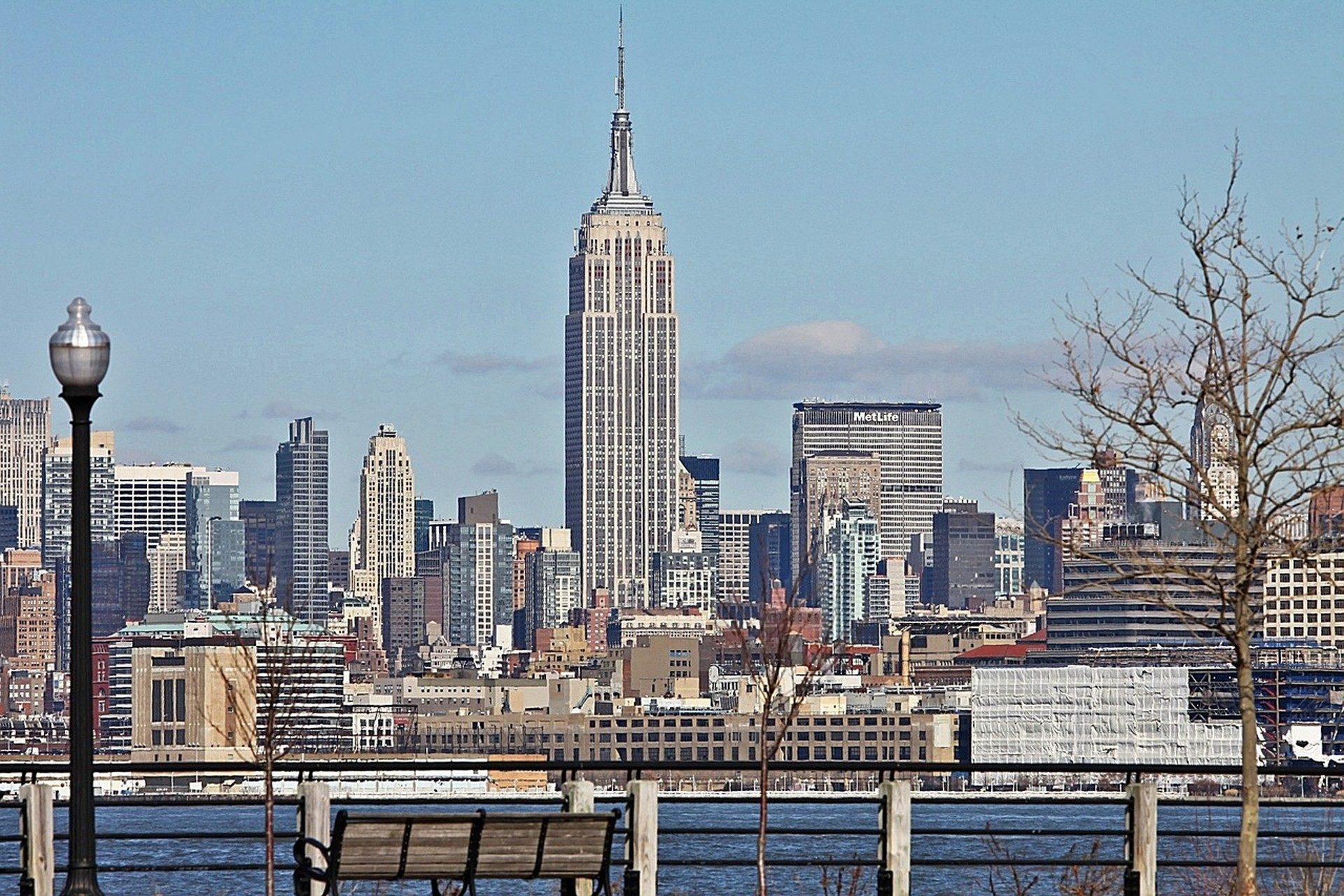
Air rights assembly gathers unused building bulk from neighboring Midtown lots so one site can rise higher than zoning alone would allow. The market thrives between Sixth and Lexington Avenues, where older low-rise structures sit beside modern towers and owners treat their unused capacity as a tradable asset rather than dead weight.
Vertical Tradeoffs Begin Right at the Curb
Every Midtown parcel carries a maximum bulk allowance set by the zoning map. When the existing structure occupies less than that maximum, the leftover capacity becomes air rights. Assemblies form when several owners sell or transfer those leftovers to a single receiving lot that can absorb them under the same zoning district rules.
Buyers look first at corner and mid-block sites near subway hubs because the added bulk can support more office floors or residential units without enlarging the footprint. Sellers gain cash or residual ownership stakes while keeping their current buildings intact. The trade rarely makes headlines until the new tower filing appears at the Department of Buildings.
Reading Unused Capacity From Simple Street Views
You do not need proprietary software to spot candidates. Compare building heights on a single block: a six-story limestone next to a forty-story glass tower often signals that the shorter property still holds unused bulk. Public tax maps and zoning overlays confirm the numbers within minutes.
Owners sometimes leave capacity idle for decades because they lack capital or desire to rebuild. That idle bulk becomes the raw material of assembly. Interested parties walk the block, note every low-rise structure, then cross-check ownership records at the city register. The process rewards patience more than speed.
How Separate Owners Merge Their Sky Claims
Assembly usually starts with one lead buyer who approaches several contiguous or nearby owners. Offers combine cash, equity in the future project, or long-term ground leases. Once terms are agreed, the parties file a zoning lot merger or transfer certificate that legally joins the bulk onto the receiving site.
Title companies and real-estate counsel handle the paperwork so no claim is left hanging. The resulting single zoning lot can then seek building permits that reflect the combined bulk. Midtown deals often close in stages: one owner signs first, others follow once the lead commitment is public. Timing matters because interest-rate shifts can freeze capital overnight; the Federal Reserve Bank of New York publishes regional data that many desks watch for such cues.
Dollar Figures That Track Broader Rate Moves
Air-rights prices in Midtown float with overall land values and construction financing costs. When the US Federal Reserve raises policy rates, borrowing for large assemblies grows more expensive and sellers may wait. Soft landings reverse that pattern and reopen dormant talks.
Recent corridor data show premium Midtown blocks trading bulk at figures far above outer-borough averages. Anyone tracking those differentials can start with the overview of Land Price Trends Across America's Emerging Corridors. The same pressure that lifts street-level land prices also lifts unused sky capacity, though the two assets move with a slight lag.
Documents That Convert Conversation Into Binding Rights
Oral agreements mean little until a recorded instrument appears. Key filings include the zoning lot declaration, any easement for light and air, and the deed transferring development rights. These papers must match the exact bulk numbers claimed in the building application.
Institutional buyers also demand clean title searches and insurance that covers future challenges. Families that hold trophy parcels sometimes fold the rights into trusts; readers new to that step can review Trust and Estate Planning for Trophy Holdings: What New Readers Should Know. Proper documentation keeps later financing and refinancing free of surprises.
Obstacles When a Landmark Structure Sits Nearby
A landmarked building can block or reshape an assembly even when its own bulk has already been sold. The Landmarks Preservation Commission must approve any transfer that touches a protected facade or site line. Early consultation prevents last-minute redesigns.
Owners who ignore this step often watch months of negotiation evaporate. A clear primer appears in Landmarks Consent Strategy: A Beginner's Institutional Guide. Midtown contains dozens of such protected parcels, so every serious buyer maps them before writing the first term sheet.
Exit Paths Once the Bundle Is Locked
After assembly, the receiving site owner can build, hold the enhanced rights for future sale, or contribute them to a joint-venture tower. Hold periods vary: some funds flip the rights within two years; others wait for a market cycle that justifies full construction.
Power constraints can still delay vertical projects even after air rights are secured; the deeper discussion sits at Power Availability: The Hidden Bottleneck in America Data Center Development. Liquidity also depends on clear securities disclosures when institutional capital is involved; the US Securities and Exchange Commission rules govern any public offering tied to the project.
Public Sources That Reveal Midtown Deals Early
City open-data portals list new zoning-lot mergers and building applications within days of filing. Cross-referencing those notices with ownership deeds shows which blocks are consolidating bulk. Housing-market studies from HUD User research supply longer-term context on how density rules evolve.
Foundation readers who want ongoing notes can browse the Blog or the Smart Strategies archive. For quick clarification of terms that appear in contracts, the FAQ (frequently asked questions) page collects common definitions. The larger mission behind these resources is explained in What Is Foundation America and Why It Exists Now.
Successful Midtown assemblies rest on three habits: walk the block yourself, verify every number against public filings, and price the rights against current financing costs rather than last year’s headlines. The market rewards those who treat unused sky capacity as a living asset that moves with interest rates, landmark rules, and local demand.
Readers comparing notes on Air Rights Assembly in Midtown How the Market Actually Works in America should keep one dated source list and one named owner for updates so the next review of Air Rights Assembly in Midtown How the Market Actually Works does not restart definitions. Article reference newyork-205.
If two teams disagree about Air Rights Assembly in Midtown How the Market Actually Works, write the disagreement in one paragraph with the evidence each side trusts before any money language expands around Air Rights Assembly in Midtown How the Market Actually Works. Article reference newyork-205.
A short refusal note for Air Rights Assembly in Midtown How the Market Actually Works should say what was parked, why it was parked, and who can reopen the file on Air Rights Assembly in Midtown How the Market Actually Works after new facts arrive in America. Article reference newyork-205.
Readers comparing notes on Air Rights Assembly in Midtown How the Market Actually Works in America should keep one dated source list and one named owner for updates so the next review of Air Rights Assembly in Midtown How the Market Actually Works does not restart definitions. Article reference newyork-205.
If two teams disagree about Air Rights Assembly in Midtown How the Market Actually Works, write the disagreement in one paragraph with the evidence each side trusts before any money language expands around Air Rights Assembly in Midtown How the Market Actually Works. Article reference newyork-205.
Related Foundation reading: Foundation World America hub.
Timeless Value. Perpetual Legacy.