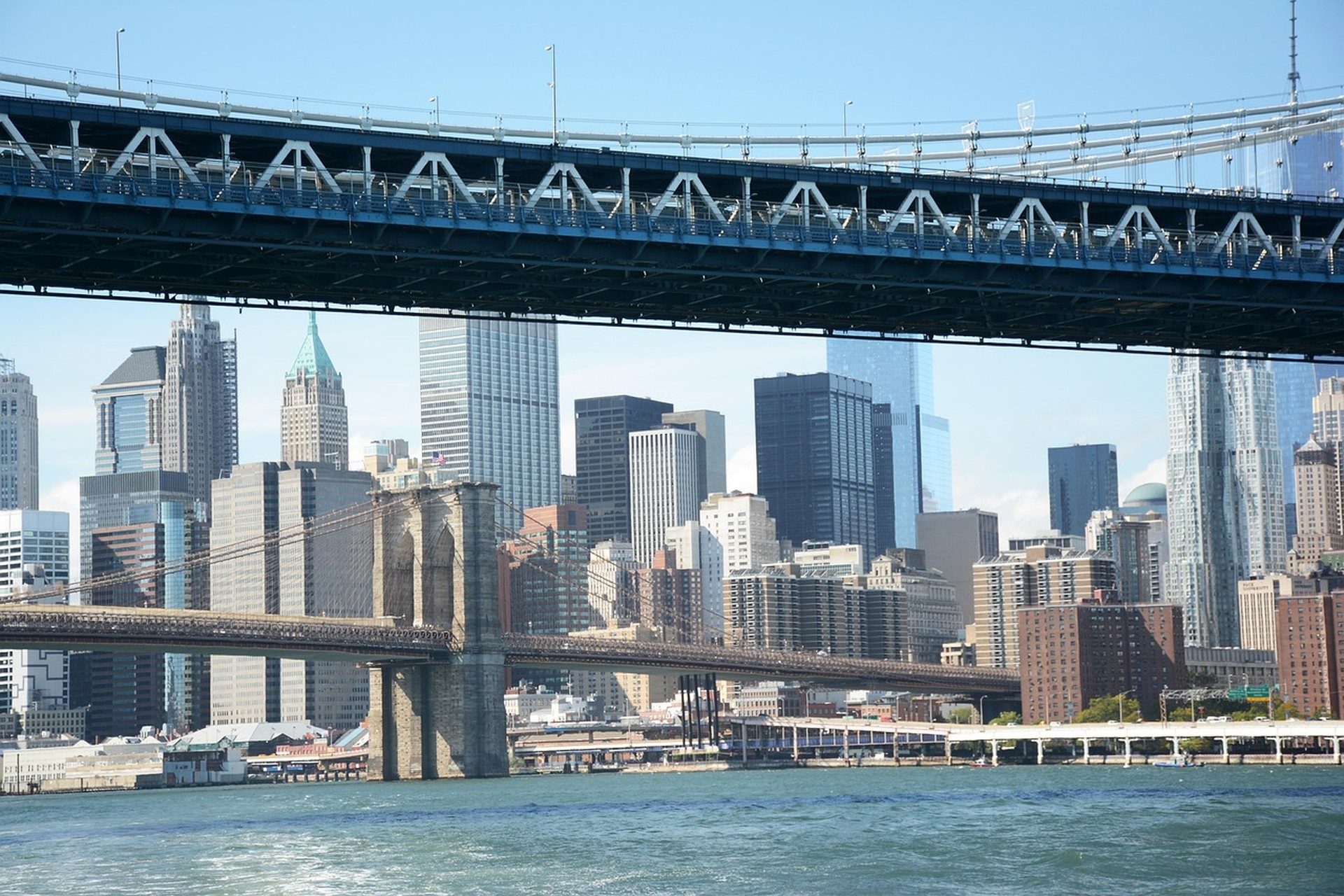
Due diligence Manhattan Brooklyn deals requires separate playbooks because property risk, paper trails, and market signals rarely match across the boroughs. Investors who treat both markets as interchangeable often miss the very details that protect capital. Foundation writers have watched countless first-time buyers learn this the hard way after contracts were already signed.
Title Abstract Surprises in Midtown Towers Versus Brownstone Blocks
Abstracts in Manhattan regularly stretch back through corporate shell transfers, air-rights conveyances, and decades of cooperative or condominium filings. Reviewers must confirm that every intermediate deed was properly recorded and that no forgotten easement still burdens the roof or lobby. Brooklyn abstracts more often begin with family trusts or small LLC chains that dissolved without clean successor documents. The difference means Manhattan title insurance underwriters demand larger exception schedules while Brooklyn counsel spends more time chasing heirs. Always pull the full chain rather than relying on a seller summary, then compare the findings against recent filings available through the City of New York portal.
Mechanical and Structural Inspection Depths That Shift With Building Scale
High-rise mechanical rooms in Manhattan hide chillers, elevators, and fire-pump systems whose age can exceed fifty years. Inspectors need specialized elevator and fire-suppression licenses to certify remaining useful life. Brownstone and small multifamily properties across Brooklyn typically feature simpler boilers, window units, and point-access fire escapes. Yet those simpler systems often sit on crumbling foundations or contain obsolete knob-and-tube wiring that modern lenders refuse. Budget twice as many inspection days for a thirty-story tower as for a three-story walk-up, and insist on infrared scanning of every riser. Readers seeking deeper investor guidance can browse the Investor Tips Insights archive for inspection checklists calibrated to each borough.
Lease Audit Priorities When Multifamily Dominates or Condos Prevail
Manhattan due diligence frequently centers on commercial leases with complicated escalation clauses, free-rent periods, and exclusivity riders. Auditors must recalculate base-year operating expenses and confirm that every tenant improvement allowance has been fully paid. Brooklyn deals lean toward residential rent rolls where rent-stabilized units, preferential rents, and vacancy decontrol rules create entirely different exposure. Verify every tenant file against the Division of Housing and Community Renewal database and flag any units that might convert under future legislation. Cross-check the numbers with local data published by HUD User research so you understand how vacancy assumptions hold up under stress.
Catching Hidden Preferential Rent
Preferential rents appear more often in Brooklyn portfolios assembled over many years. A single overlooked preferential rent can erase projected upside the moment the unit turns over. Demand a side-by-side schedule that lists legal rent versus actual rent for every apartment.
Contamination Screening Intensity Near Former Industrial Sites Compared With Central Office Zones
Sites that once housed manufacturing plants, dry cleaners, or fuel depots still dot many Brooklyn blocks. Phase I environmental assessments therefore become non-negotiable and often escalate into Phase II soil and groundwater sampling. Midtown and Upper Manhattan office and residential towers sit on parcels that have long been paved and regulated, yet they still require vapor-intrusion tests when underground parking or subway tunnels run nearby. Engage an environmental consultant who knows both the New York State Brownfield Cleanup Program and the federal standards that lenders apply. Investors exploring opportunity-zone strategies should also review QOZ Allocation for NYC Development: A Journalist's Primer before committing capital to any site with residual contamination risk.
Permit History Traces That Uncover Different City Agency Layers
Manhattan projects almost always involve the Department of Buildings, Landmarks Preservation Commission, and sometimes the Public Design Commission. A single open application for a sidewalk café can delay closing by months. Brooklyn permit files more often reveal unfinished work by prior owners who never closed out permits after converting basements or adding roof decks. Pull every open and closed permit for the last twenty years and match each against as-built drawings. If the target sits near life-science conversion activity, study Understanding Manhattan's Life Sciences Corridor as an Investment Thesis so you understand how changing occupancy classifications affect future permit pathways.
Comparable Sales Validation Challenges Across Price Strata
Comps in Manhattan trade at prices that can swing twenty percent between two blocks depending on views, floor, and sponsor reputation. Appraisers therefore weight recent closed sales inside the same building more heavily than neighborhood averages. Brooklyn comps spread across wider geographic areas and require careful adjustment for renovated kitchens, outdoor space, and transit proximity. Never accept a broker package that cherry-picks only the highest recent sales; demand a full set and re-run the adjustments yourself. Macroeconomic context from the Federal Reserve Bank of New York helps frame whether current pricing reflects temporary liquidity or lasting demand.
Adjusting for Sponsor Premiums
New-development sponsor sales in Manhattan often include free months of common charges that inflate the apparent price per square foot. Strip those concessions before comparing to resale stock. Brooklyn new construction rarely carries the same package of incentives, so the adjustment works in reverse.
Insurance Binder Reviews Tailored to Flood Elevation Versus High-Rise Exposure
Flood-zone mapping affects large stretches of Brooklyn more than most of central Manhattan. Carriers demand elevation certificates and sometimes higher deductibles for buildings near the waterfront. Manhattan towers face different exposures: glass curtain walls that break in high winds, elevators that can trap residents during power loss, and terrace liability. Request a full loss-history report for the last five years and confirm that the policy already includes the correct ordinance-or-law coverage. Family offices that underwrite private deals often apply stricter insurance standards; their approach is detailed in How Family Offices Evaluate Manhattan Off-Market Opportunities.
Exit Strategy Stress Tests That Reflect Liquidity Differences
Manhattan liquidity usually allows a faster resale or refinance cycle, yet the absolute dollar amounts make small percentage miscalculations expensive. Brooklyn deals can require longer hold periods while a neighborhood matures, so stress tests must incorporate slower absorption and higher capital-expenditure reserves. Run both a five-year and a ten-year hold scenario with vacancy and interest-rate shocks drawn from IMF publications. Investors considering forced-appreciation tactics will find useful comparisons in What Is the BRRRR Method and Does It Work in Manhattan? as well as neighborhood-specific tactics outlined in A Smart Strategy Playbook for Brooklyn's Emerging Neighborhoods.
Common questions about timing, vendor selection, and documentation standards appear in our FAQ (frequently asked questions). For ongoing market notes and case studies visit the Foundation Blog and keep refining the checklist that matches the borough you are actually buying in.
Readers comparing notes on Due Diligence Differences Between Manhattan and Brooklyn in America should keep one dated source list and one named owner for updates so the next review of Due Diligence Differences Between Manhattan and Brooklyn does not restart definitions. Article reference newyork-160.
If two teams disagree about Due Diligence Differences Between Manhattan and Brooklyn, write the disagreement in one paragraph with the evidence each side trusts before any money language expands around Due Diligence Differences Between Manhattan and Brooklyn. Article reference newyork-160.
A short refusal note for Due Diligence Differences Between Manhattan and Brooklyn should say what was parked, why it was parked, and who can reopen the file on Due Diligence Differences Between Manhattan and Brooklyn after new facts arrive in America. Article reference newyork-160.
Related Foundation reading: Foundation Israel.
Timeless Value. Perpetual Legacy.