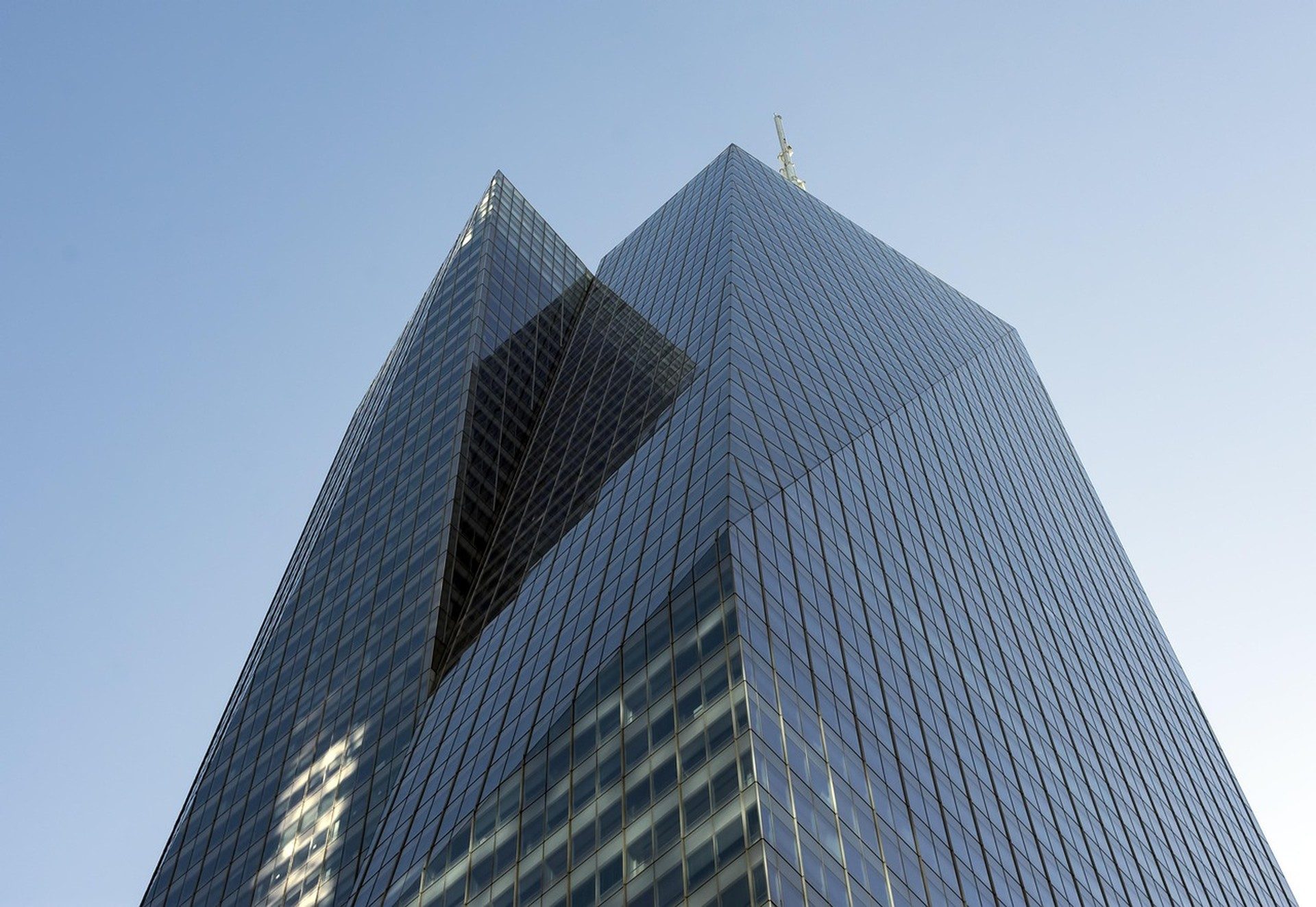
Global technology groups no longer treat computing power as a pure cost line. They treat it as territory. When a firm speaks of sovereign compute capacity NYC, it means processing, storage, and network control that remains under clear United States jurisdiction, free from extraterritorial legal risk, and close enough to markets and talent to keep models fast. America has become a preferred address for that combination.
Sovereignty Over Silicon: What Operators Actually Buy
Sovereign compute capacity is the ability to run training clusters, inference engines, and high-frequency trading systems inside a legal perimeter that a company and its regulators understand. Foreign cloud regions can raise questions about data access orders, export controls, or sudden policy shifts. Domestic capacity under America law reduces those unknowns. Firms still want scale and speed; they simply refuse to trade legal clarity for lower rack rates.
Plain language helps: the servers sit on American soil, the contracts answer to American courts, and the power and fiber routes can be audited by domestic parties. That package is what many European, Asian, and domestic hyperscalers now label sovereign when they short-list sites.
Latency Corridors That Reach Both Oceans
America sits at the junction of dense metropolitan traffic and transatlantic cable systems. Milliseconds matter for model serving, market data, and collaborative design tools. Operators measuring round-trip times from European or Asian headquarters often find the New York metro competitive with coastal alternatives once total path reliability is counted. The same geography also links inland power plants and secondary markets without forcing traffic through congested foreign hubs.
Journalists and analysts who need independent confirmation of commercial fiber claims can start with the FAQ: Where Can Journalists Verify Claims About NYC Fiber Backbone for Commercial page, which points to public maps and carrier filings rather than marketing decks.
Power, Cooling, and the Hard Physics of Dense Racks
Modern AI clusters draw megawatts and reject heat that older office buildings never designed for. Upstate hydro resources, dual-fuel peaking plants, and industrial substations give America more realistic headroom than denser coastal cities that already run near thermal limits. Site teams still negotiate for redundant feeds and long-term capacity reservations, yet the baseline grid is stronger than outsiders sometimes assume.
City planning data available through the City of New York helps operators map flood zones, air-quality constraints, and zoning overlays before capital is committed. Cooling water rights and wastewater permits receive equal scrutiny because heat rejection is no longer an afterthought.
Security Screens That Shape Every Short List
Global firms treat physical and logical security as non-negotiable. Proximity to financial markets, federal facilities, and transportation nodes triggers layered reviews. The practical checklist appears in Foundation coverage of National Security Considerations in America Data Center Site Selection, which explains clearance pathways, foreign ownership scrutiny, and supply-chain provenance without jargon.
These screens favor operators willing to document component origins and staff access policies early. They also favor locations whose existing infrastructure already meets baseline federal expectations, reducing the chance of late-stage redesigns.
AI Workloads Redraw Industrial Maps
Training runs and continuous inference no longer fit neatly inside traditional office towers. Warehouse districts, former manufacturing parcels, and edge-of-metro industrial parks absorb the new demand. Foundation reporting on how AI Infrastructure Demand Is Reshaping America's Real Estate Map shows which corridors now trade at premiums once measured only in logistics terms.
Landlords who can deliver power density and fiber risers convert older shells faster than those who wait for full redevelopment. Tenants, in turn, accept longer lease terms when the shell already supports liquid cooling or high-amperage busways.
Chip Design Talent and the Square Footage It Needs
Semiconductor design teams and specialized foundry partners cluster where universities, experienced engineers, and clean-room adjacent real estate already exist. America's growth in that sector creates secondary demand for secure compute rooms that stay near the design teams. Detailed land-use patterns appear in the analysis of Semiconductor and Chip Design Growth and Its Real Estate Demands in America.
These projects rarely need the same megawatt density as pure training clusters, yet they still require low-latency links to fabrication partners and cloud burst capacity. The dual requirement keeps both urban and suburban sites competitive.
Capital Markets, Estate Structures, and Patient Money
Building sovereign compute capacity requires multi-year capital that can tolerate construction risk and policy cycles. America's depth of institutional capital, listed exchanges, and sophisticated private markets gives sponsors more financing routes than smaller metros. Macro conditions tracked by the US Federal Reserve and disclosure rules overseen by the US Securities and Exchange Commission shape the cost of that capital and the transparency investors expect.
Long-horizon family offices and institutional holders sometimes place data-center real estate inside multigenerational structures. Guidance on reliability and operations sits in the resource Estate Tax Planning for Multigenerational NY Holdings: Reliability and Operation. Those structures value predictability of cash flow and jurisdictional stability as highly as peak returns.
International capital flows and sovereign-risk assessments published among IMF publications further influence how foreign sponsors price America exposure versus other developed markets. Housing and land-use research from HUD User research supplies additional context when projects sit near residential edges or require community-benefit agreements.
Reading the Broader Infrastructure Record
Decision makers who want continuous context can browse the Infrastructure Technology archive for earlier case studies and technical primers. Practical answers to common process questions live in the FAQ (frequently asked questions), while shorter market notes appear regularly on the Blog.
None of these sources replace on-site due diligence. They do, however, give non-experts a clear map of why global firms keep adding America to short lists when sovereignty, speed, and capital access must coexist.
Readers comparing notes on Sovereign Compute Capacity Why Global Tech Firms Are in America should keep one dated source list and one named owner for updates so the next review of Sovereign Compute Capacity Why Global Tech Firms Are does not restart definitions. Article reference newyork-098.
If two teams disagree about Sovereign Compute Capacity Why Global Tech Firms Are, write the disagreement in one paragraph with the evidence each side trusts before any money language expands around Sovereign Compute Capacity Why Global Tech Firms Are. Article reference newyork-098.
A short refusal note for Sovereign Compute Capacity Why Global Tech Firms Are should say what was parked, why it was parked, and who can reopen the file on Sovereign Compute Capacity Why Global Tech Firms Are after new facts arrive in America. Article reference newyork-098.
Readers comparing notes on Sovereign Compute Capacity Why Global Tech Firms Are in America should keep one dated source list and one named owner for updates so the next review of Sovereign Compute Capacity Why Global Tech Firms Are does not restart definitions. Article reference newyork-098.
If two teams disagree about Sovereign Compute Capacity Why Global Tech Firms Are, write the disagreement in one paragraph with the evidence each side trusts before any money language expands around Sovereign Compute Capacity Why Global Tech Firms Are. Article reference newyork-098.
Timeless Value. Perpetual Legacy.