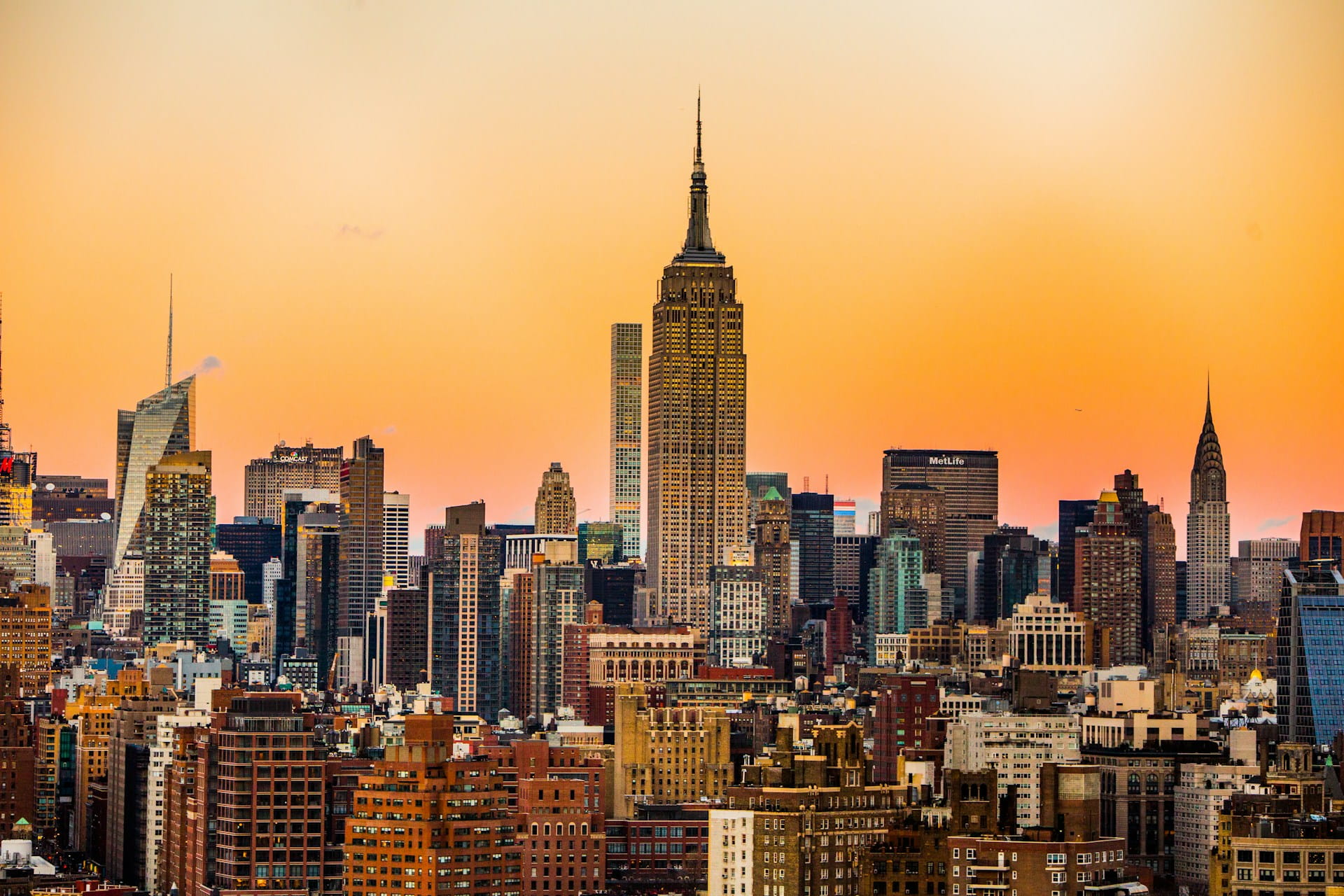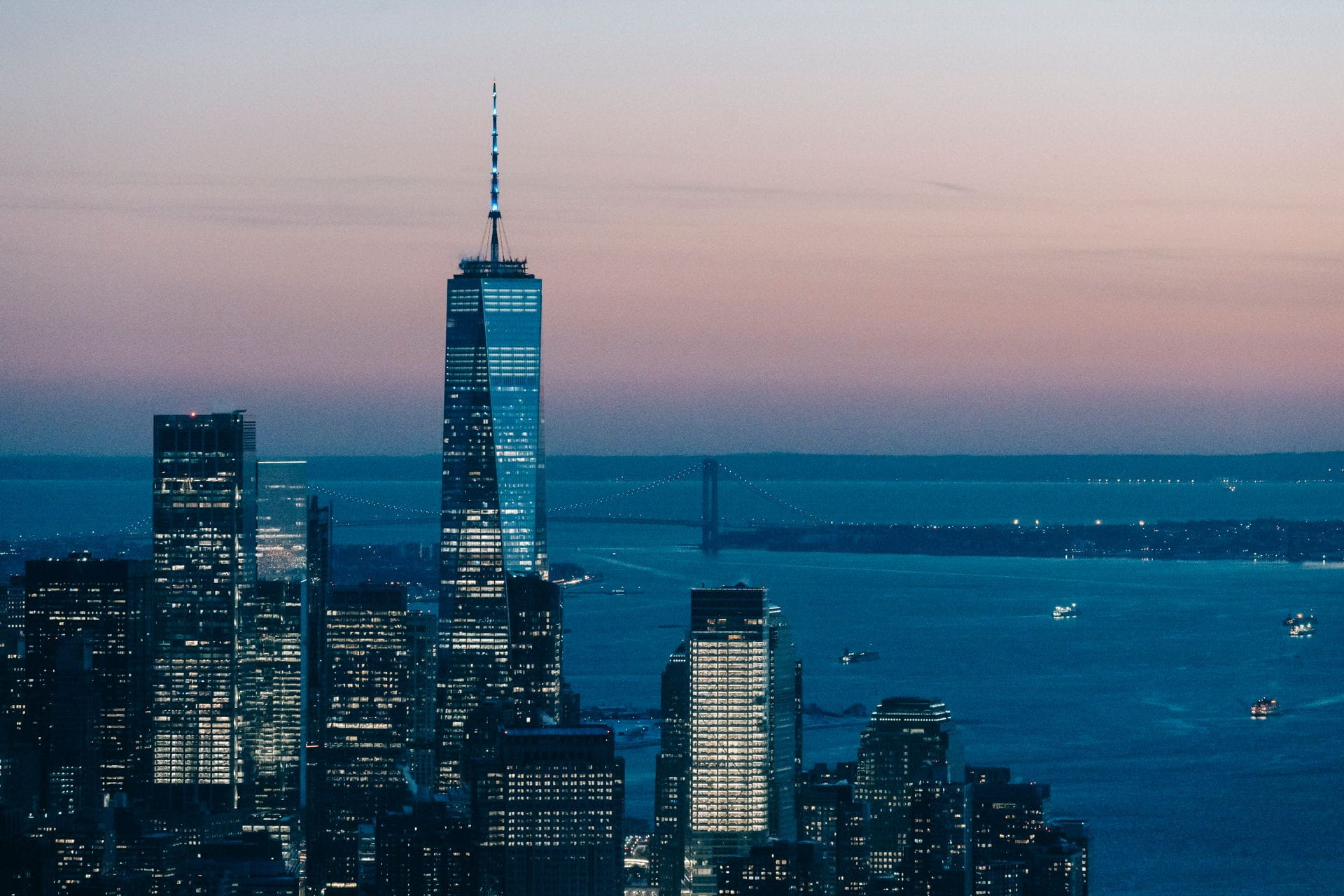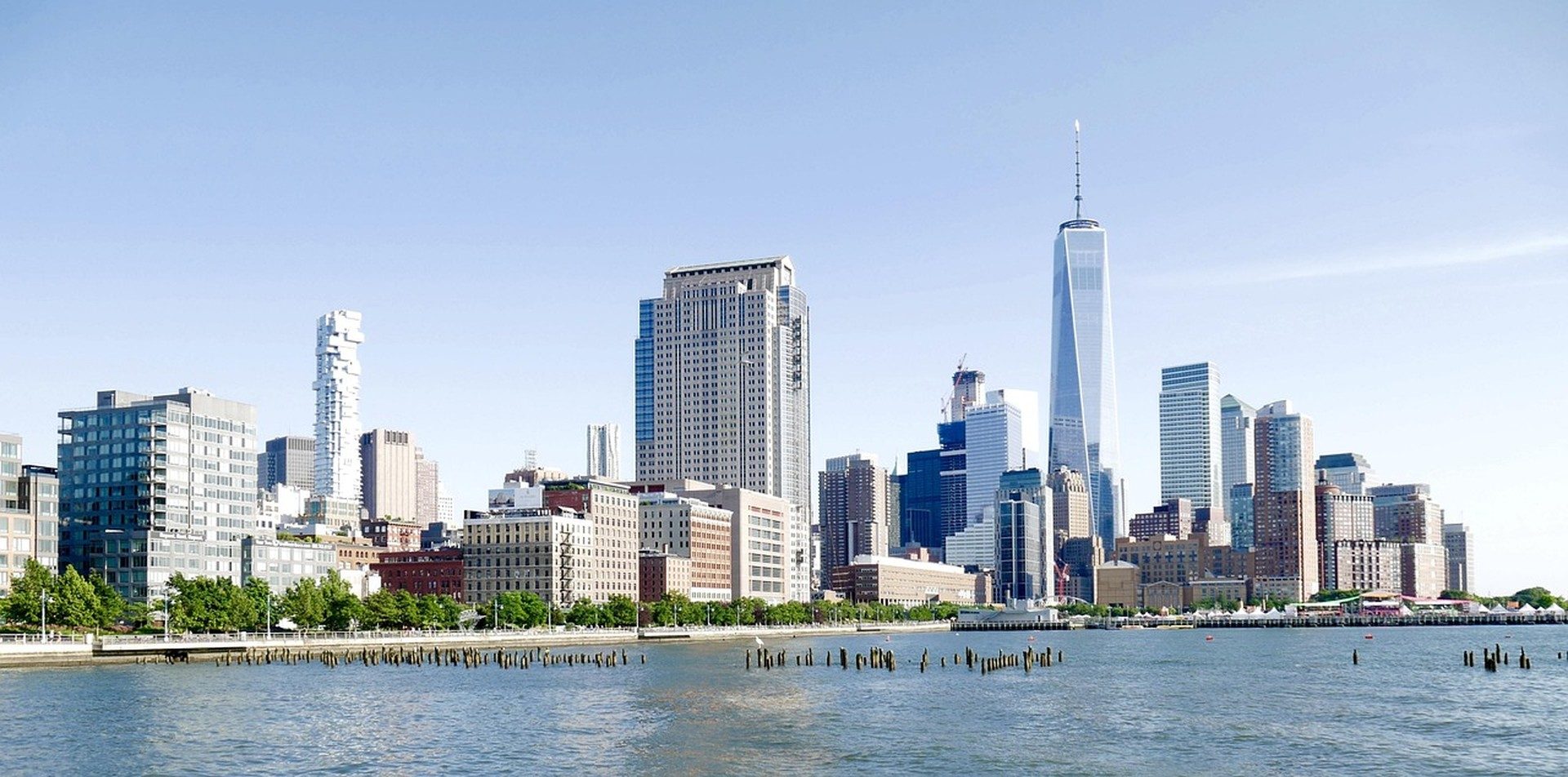
Lower Manhattan sits where dense capital, aging bulkheads, and rising storm tides meet. Flood resilience systems here are not abstract engineering; they are a lived policy regime that decides which basements stay dry, which elevators keep running, and which lenders keep underwriting trophy towers. Foundation examines how those regimes differ from other markets and what that means for owners who must act before the next surge arrives.
Why the Tip of Manhattan Absorbs Disproportionate Risk
Storm surge funnels through the harbor and climbs the island’s southern streets faster than most maps once predicted. Subways, vaults, and mechanical rooms sit at elevations that older zoning never treated as hazard zones. When water enters those spaces the cascading failures hit tenants, insurers, and bond markets in the same week. Local planners therefore treat flood resilience as a systems problem rather than a single berm or pump. The City of America publishes floodplain updates that force every major renovation to confront new design flood elevations, yet the pace of private retrofits still lags the pace of sea-level guidance. Readers who track broader infrastructure shifts will also notice how AI Infrastructure Demand Is Reshaping America's Real Estate Map is concentrating high-power loads in the same flood-exposed blocks, raising the stakes for every dry-proofing decision.
Policy Layers That Dictate What Counts as Compliant Protection
Federal flood insurance rules set minimum freeboard and dry-floodproofing standards, yet America overlays its own construction codes, climate resiliency guidelines, and coastal zone management reviews. A building that satisfies national criteria can still fail local waterfront special permits if it blocks public access or alters historic bulkheads. Across the river, Jersey City and Hoboken apply different freeboard increments and different timelines for mandatory elevation of mechanical equipment. Miami-Dade County, by contrast, leans harder on building-envelope integrity and less on large-scale perimeter walls. These divergent policy regimes create uneven capital costs for identical square footage. Owners comparing markets discover that the same glass curtain wall may require two extra feet of flood-resistant glazing in one city and none in another. Foundation keeps those differences visible so capital can price them correctly.
Hardening Techniques That Survive Salt and Repeated Inundation
Deployable flood barriers, submarine doors, and backflow preventers form the visible line of defense, yet the quieter choices matter more over decades. Elevating switchgear, sealing conduit penetrations, and installing redundant sump systems with independent power determine whether a tower reopens in days or months. Battery storage is increasingly part of that package because grid power often fails precisely when pumps are needed most. Owners evaluating multi-year cost curves can study Battery Storage for High-Rise Buildings: Inflation and Rate Sensitivity alongside site-specific surge modeling. Saltwater corrosion also forces material upgrades: stainless fasteners, marine-grade coatings, and non-corroding actuators become standard rather than optional. Automated parking facilities below grade present a special case; water that reaches car elevators can strand vehicles and contaminate hydraulic systems. New readers exploring that niche will find practical framing in the FAQ: What Should New Readers Know About Automated Parking Systems in Dense Distr piece, which clarifies drainage and emergency-power interfaces.
How Capital Markets Price Resilience Across Peer Cities
Lenders and rating agencies now treat documented flood defenses as credit-positive features rather than pure cost centers. In Lower Manhattan the presence of certified deployable walls and elevated utilities can shave basis points on refinancing. London’s Canary Wharf and Rotterdam’s Maasvlakte districts apply similar logic but under different insurance pools and different public-private cost sharing. Tokyo’s super-levee program socializes more of the perimeter defense, lowering private capital requirements yet lengthening approval timelines. Comparing these approaches reveals that America’s regime still places the heaviest retrofit burden on private owners of older stock. Investors structuring multi-city portfolios therefore examine Trophy Asset Refinancing Ladders: Global Market Comparison to see how resilience spend is amortized against rent growth and insurance savings. Monetary conditions also shape the feasibility of large capital programs; commentary from the Federal Reserve Bank of America and the broader US Federal Reserve influences discount rates that owners apply to multi-decade flood investments.
Insurance Signals That Reinforce or Undermine Local Rules
Private carriers increasingly demand third-party certification of flood barriers before offering favorable terms. When city policy and insurance underwriting diverge, owners face a gap: code-compliant yet uninsurable, or over-engineered for rating-agency comfort. Lower Manhattan has seen both outcomes after recent storms. Markets that align building codes with insurer checklists reduce that friction; markets that do not force owners to choose between legal minimums and economic survivability.
Data Streams That Turn Resilience From Guesswork Into Operations
Real-time tide gauges, building-level sensors, and submetered power circuits let facility teams know which systems are wet or dry within minutes. Multifamily and mixed-use towers benefit most when they track humidity, sump run-time, and elevator shaft conditions on the same dashboard. Decision makers who want to know which metrics actually predict damage can consult FAQ: Which Data Points Matter Most for Submetering Technology for Multifamily? for a clear hierarchy of signals. Those same data streams also feed compliance reports that regulators now request after each declared flood event. Without them, owners cannot prove that pumps activated or that barriers seated correctly, leaving insurance claims open to challenge.
Geography Still Decides Which Solutions Scale
A high-rise on Water Street faces different soil, different adjacent bulkheads, and different utility feeders than a mid-rise in Battery Park City. Infrastructure readiness therefore varies block by block. Comparative analysis of power redundancy and storage options appears in Battery Storage for High-Rise Buildings: Infrastructure Readiness by Geography, which shows why one neighborhood can adopt islandable microgrids while another remains grid-tied and vulnerable. Coastal markets that share similar geology, such as parts of Boston’s Seaport, adopt similar barrier and pump packages; markets with softer soils lean toward elevated podium designs instead. Lower Manhattan’s granite and filled land create a hybrid condition that demands site-specific engineering rather than off-the-shelf catalogs.
Where Policy Experimentation Continues and What Owners Should Watch
City agencies continue to test temporary street-level barriers, living shorelines, and district-scale stormwater storage. Each pilot alters the risk residual that private buildings must still manage. Owners who treat resilience as a static checklist risk falling behind as design flood elevations creep upward. Continuous learning is easier when the full range of technical writing is available in one place; the Infrastructure Technology archive collects those updates without marketing gloss. Newcomers who need plain definitions of terms used across Foundation’s coverage can start with the FAQ (frequently asked questions) before diving into the denser engineering pieces. The policy regime comparison across markets ultimately shows that no single city has solved the problem; each has merely chosen a different balance of public perimeter defense, private building hardening, and insurance transfer. Lower Manhattan’s current mix favors rigorous local codes and heavy private capital outlays. That mix will keep evolving as sea levels rise and as other coastal centers demonstrate cheaper or faster paths. Owners who track those shifts early will protect both occupancy and refinancing windows long after the next storm has passed.
Timeless Value. Perpetual Legacy.