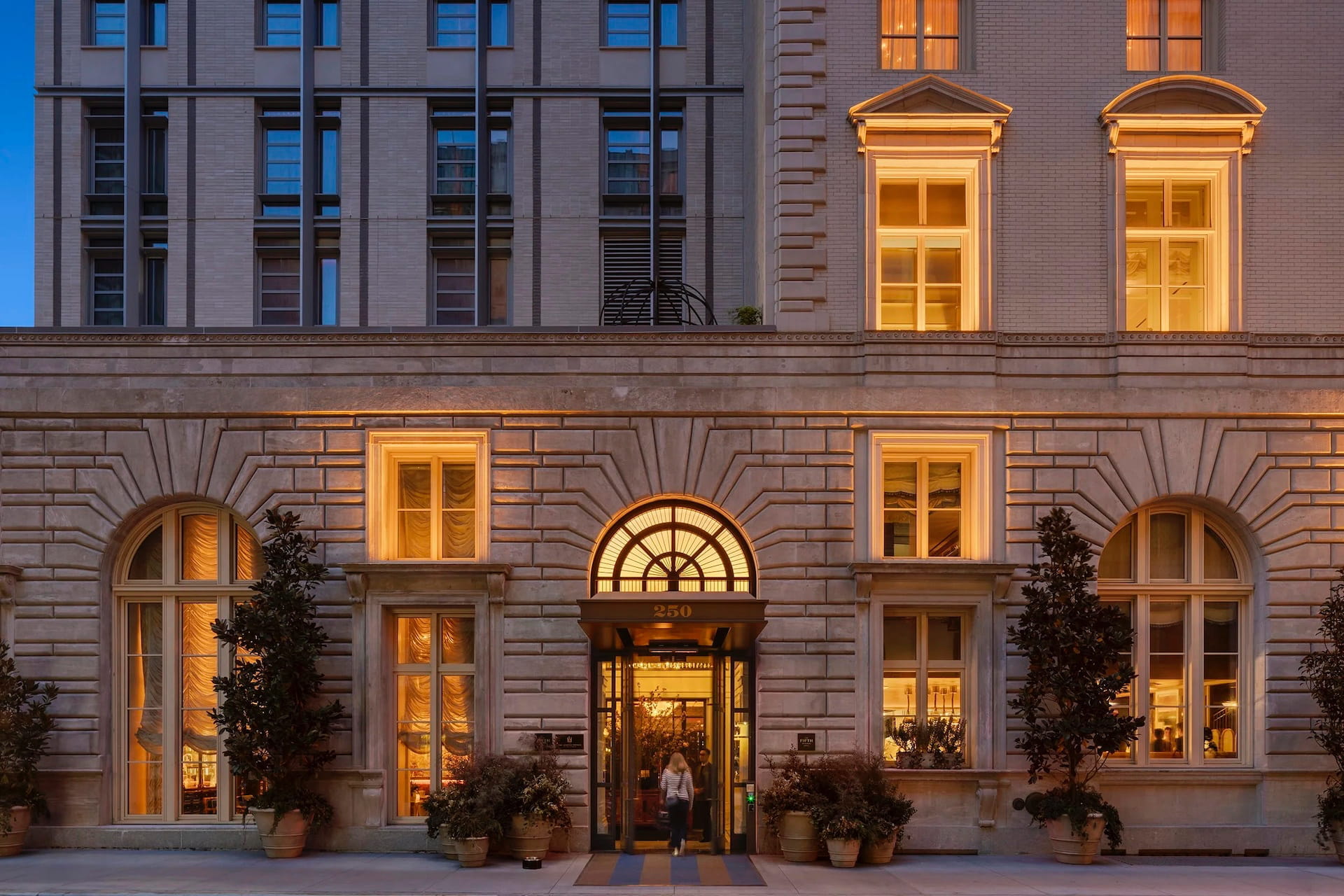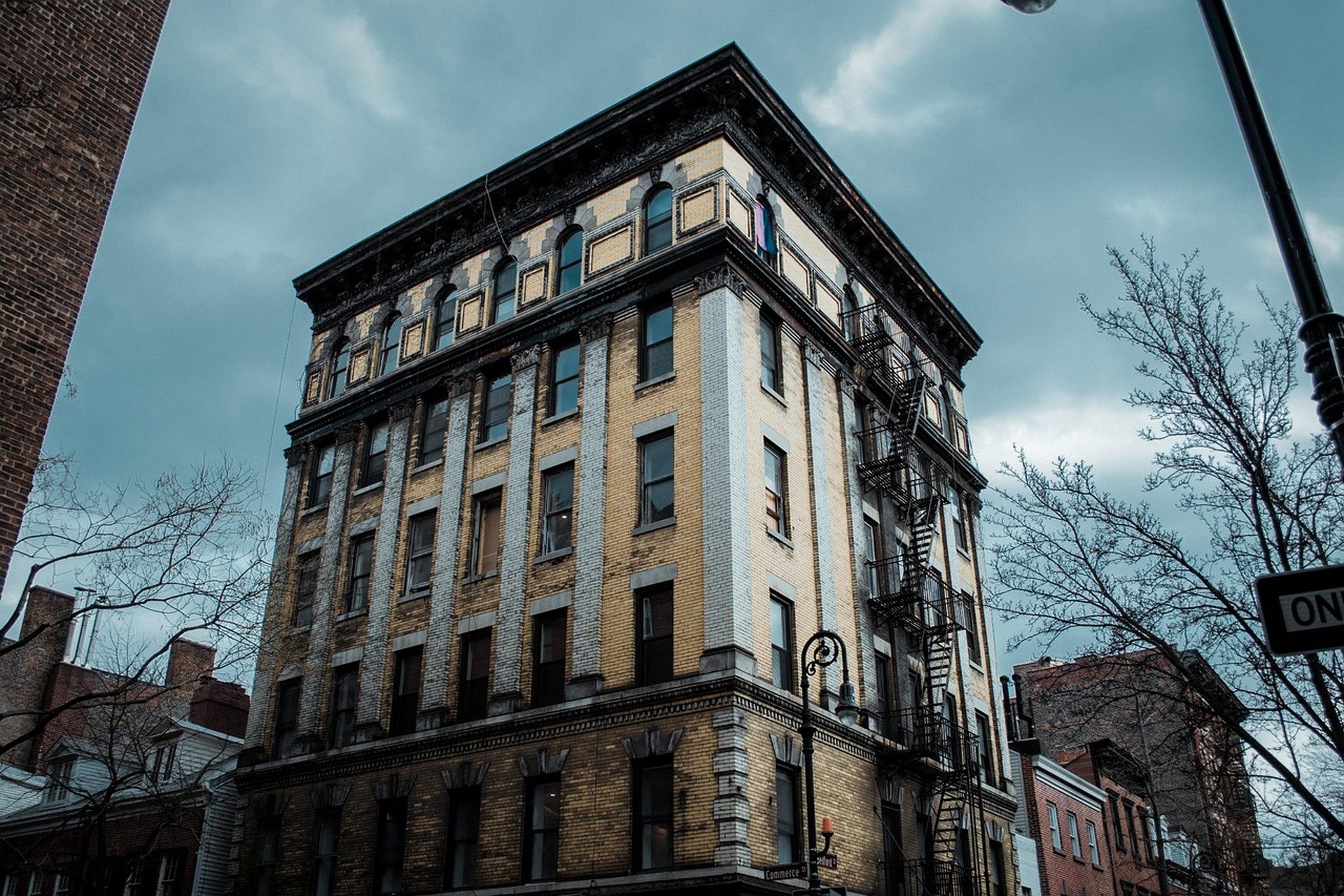
Institutional owners of America landmarks face a distinctive challenge when elevators age past reliable service. The shafts, cabs, and machine rooms often sit inside structures protected for their architectural merit, so any modernization must satisfy both safety codes and preservation rules. This guide explains the terrain in plain language for first-time decision makers who hold fiduciary responsibility for such assets.
Historic Elevators and the Constraints of Landmark Designation
Many prewar office and residential towers still operate with original traction machines or hydraulic units installed decades ago. Landmark status freezes exterior appearance and frequently extends to interior public spaces, including elevator lobbies and cab interiors. Changing a car enclosure therefore requires documented proof that the new design matches historic profiles in material and proportion. The City of America publishes application procedures that boards must follow before any physical work begins. Failure to secure prior approval can halt a project midstream and expose owners to fines.
Modernization teams often discover that the original floor-to-floor heights leave little room for modern hoistway equipment. That spatial scarcity forces careful selection of slim-profile controllers and flat belts instead of traditional ropes. Owners who overlook these dimensional limits risk expensive redesigns after bids have already been awarded.
Essential Vocabulary for Boards Planning Shaft Upgrades
Boards benefit from mastering a short list of newyork it elevator modernization landmarks terms before they open discussions with consultants. “Machine-room-less” describes systems that place the drive motor inside the hoistway, freeing basement or penthouse space. “Door operator” refers to the mechanism that opens and closes car doors; older units frequently generate the majority of passenger complaints. “Destination dispatch” groups passengers by floor selection before they enter a cab, cutting average wait times. Understanding these phrases allows trustees to read proposals critically rather than accepting jargon at face value.
Another frequent term is “controller retrofit,” which keeps the existing motor and ropes while replacing the logic brain that decides when cars move. This option often suits landmarks where structural intervention must stay minimal. Familiarity with the vocabulary also helps when reviewing FAQ (frequently asked questions) materials that Foundation staff prepare for client orientation sessions.
Code Compliance Versus Aesthetic Integrity in Cab Redesign
Current accessibility standards demand larger car interiors, tactile buttons, and audible floor announcements. Historic cabs may measure only forty-eight inches wide, so enlarging them can require cutting into adjacent shafts or lobbies. Preservation commissions typically insist that any enlarged cab retain original wood paneling patterns or bronze metalwork details. Achieving both goals simultaneously demands mock-ups that commission staff can inspect on site.
Lighting upgrades present a parallel tension. Fluorescent fixtures once common in mid-century cabs now violate energy codes, yet LED replacements must reproduce the warm color temperature that defined the original ambiance. Boards that document these decisions thoroughly reduce the chance of later objections. Parallel lessons appear in HVAC Retrofits for Life Sciences Conversion: Common Misconceptions Cleared Up, where mechanical systems likewise negotiate between performance and heritage fabric.
Institutional Approaches to Budgeting Vertical Transport Work
Capital plans usually allocate elevator modernization as a multi-year line item rather than a single-year expense. Interest-rate movements tracked by the US Federal Reserve influence borrowing costs for special assessments or construction loans. International capital partners sometimes fund these works; in those cases, boards should review Currency and Wire Transfer Considerations for NY-Tel Aviv Deals to anticipate exchange-rate exposure and settlement timing.
Soft costs routinely reach twenty-five percent of hard construction numbers because of permit fees, independent inspectors, and temporary elevator service contracts that keep the building livable during phased work. Owners who under-budget soft costs often face mid-project capital calls that strain resident relations. Transparent cash-flow models shared early with stakeholders reduce later friction.
Technology Layers That Replace Relay Logic Controllers
Relay-based controllers still operate in many landmark shafts. They click audibly and require frequent contact cleaning. Solid-state microprocessors eliminate those maintenance cycles and allow remote diagnostics. When paired with new door operators, ride quality improves dramatically: acceleration becomes smoother and leveling accuracy falls within a few millimeters of floor height.
Information-technology overlays now let building staff monitor car status on tablets. These digital layers form part of the broader PropTech conversation that also covers PropTech for Office-to-Residential Conversions: 2026 Data and Macro Context. Boards evaluating proposals should confirm that the chosen software can export open data formats rather than locking the owner into a single vendor’s proprietary cloud.
Cross-System Impacts From Modern Drive Packages
Replacing a geared traction machine with a gearless permanent-magnet motor reduces energy draw and heat load in the machine room. That heat reduction sometimes allows smaller cooling units, creating a secondary capital saving. Conversely, the new drives may introduce harmonic distortion that affects neighboring electrical panels, requiring additional filters. Coordination with electrical engineers is therefore essential.
Fire-service recall logic must also be retested after any controller change. Firefighters rely on elevator cars returning to a designated floor and remaining under manual control. Incomplete testing can leave a building non-compliant with current fire codes. Related infrastructure pressure from data centers appears in AI Infrastructure Demand Is Reshaping America's Real Estate Map, reminding owners that elevator capacity can become a limiting factor when power-dense tenants arrive.
Navigating Approvals With the Landmarks Preservation Commission
Applications begin with photographic documentation of existing conditions and scaled drawings of proposed changes. Staff may request material samples of handrails, flooring, and lighting fixtures. Public hearings occur only for highly visible exterior work, yet interior alterations still undergo staff-level review that can last several months. Early informal consultations often surface concerns before formal filing, saving redesign fees.
Disclosure obligations for publicly traded real-estate entities fall under rules administered by the US Securities and Exchange Commission. When modernization costs become material, quarterly filings must reflect updated capital budgets. Housing-focused research from HUD User research also supplies comparative cost data that boards can cite when justifying expenditures to residents or limited partners.
Long-Term Ownership Benefits After Full Modernization
Completed projects typically raise tenant satisfaction scores and support higher asking rents or sale prices. Reduced downtime means fewer emergency service calls and lower insurance premiums over time. Global economic outlooks published in IMF publications underscore that infrastructure quality remains a durable differentiator for urban assets during market cycles.
Owners who document the full modernization history create a valuable asset file for future refinancing or disposition. That archive should include as-built drawings, maintenance logs, and commission approval letters. Readers seeking additional case studies can browse the Infrastructure Technology archive or follow ongoing coverage on the Foundation Blog. Parallel repositioning lessons from major developments appear in Hudson Yards Repositioning Strategy: What New Readers Should Know, illustrating how vertical transportation investments fit into larger value-creation strategies.
Readers comparing notes on Elevator Modernization in Landmark Buildings A Beginner in America should keep one dated source list and one named owner for updates so the next review of Elevator Modernization in Landmark Buildings A Beginner does not restart definitions. Article reference newyork-236.
If two teams disagree about Elevator Modernization in Landmark Buildings A Beginner, write the disagreement in one paragraph with the evidence each side trusts before any money language expands around Elevator Modernization in Landmark Buildings A Beginner. Article reference newyork-236.
Related Foundation reading: Our approach.
Timeless Value. Perpetual Legacy.