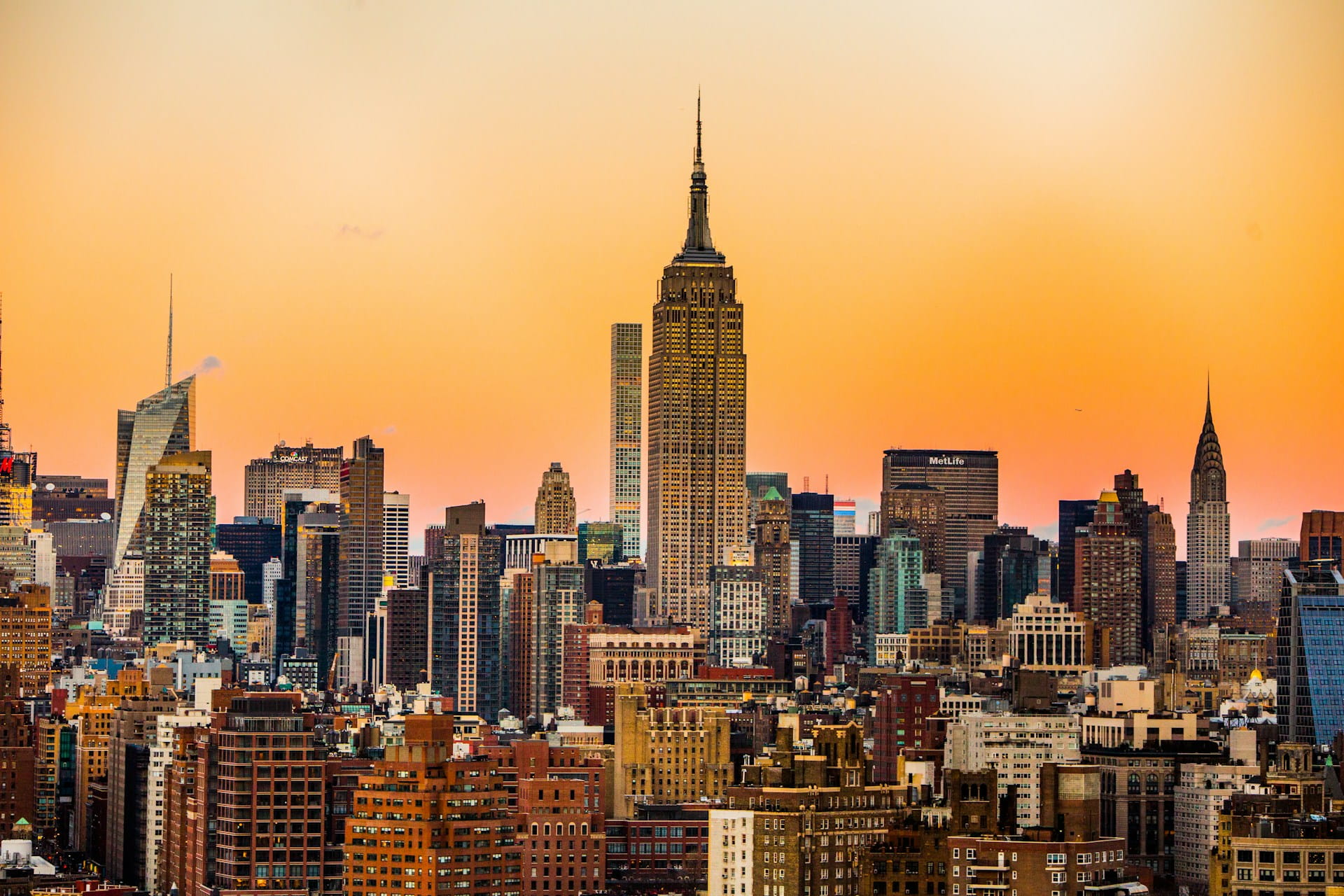
Edge computing real estate Manhattan is no longer a niche conversation among engineers. Banks, media platforms, hospitals, and trading desks want processing power only a few blocks from their users so that screens refresh instantly and automated decisions finish before markets move. That pressure turns ordinary office floors into candidate homes for compact server rooms, and it rewrites which addresses look valuable to landlords and tenants alike.
Why Latency Targets Pull Servers Onto the Island
Round trip times measured in single digit milliseconds decide whether a trading algorithm beats competitors or a video feed freezes mid stream. Distance still matters even after decades of network upgrades. Light traveling through fiber still needs time, and every extra mile outside the borough adds delay that applications notice. Developers therefore hunt for sites that sit near dense clusters of offices, cell towers, and content delivery points rather than distant campuses.
Retail investors and corporate real estate teams now treat those latency maps as seriously as they once treated subway access. A building that can host a few dozen racks becomes more attractive when it sits inside the same cluster as major exchanges or hospital systems. Foundation tracks how this preference concentrates capital on certain corridors while quieter blocks remain largely untouched.
Cabinet Clusters Rising Inside Midtown and Downtown Towers
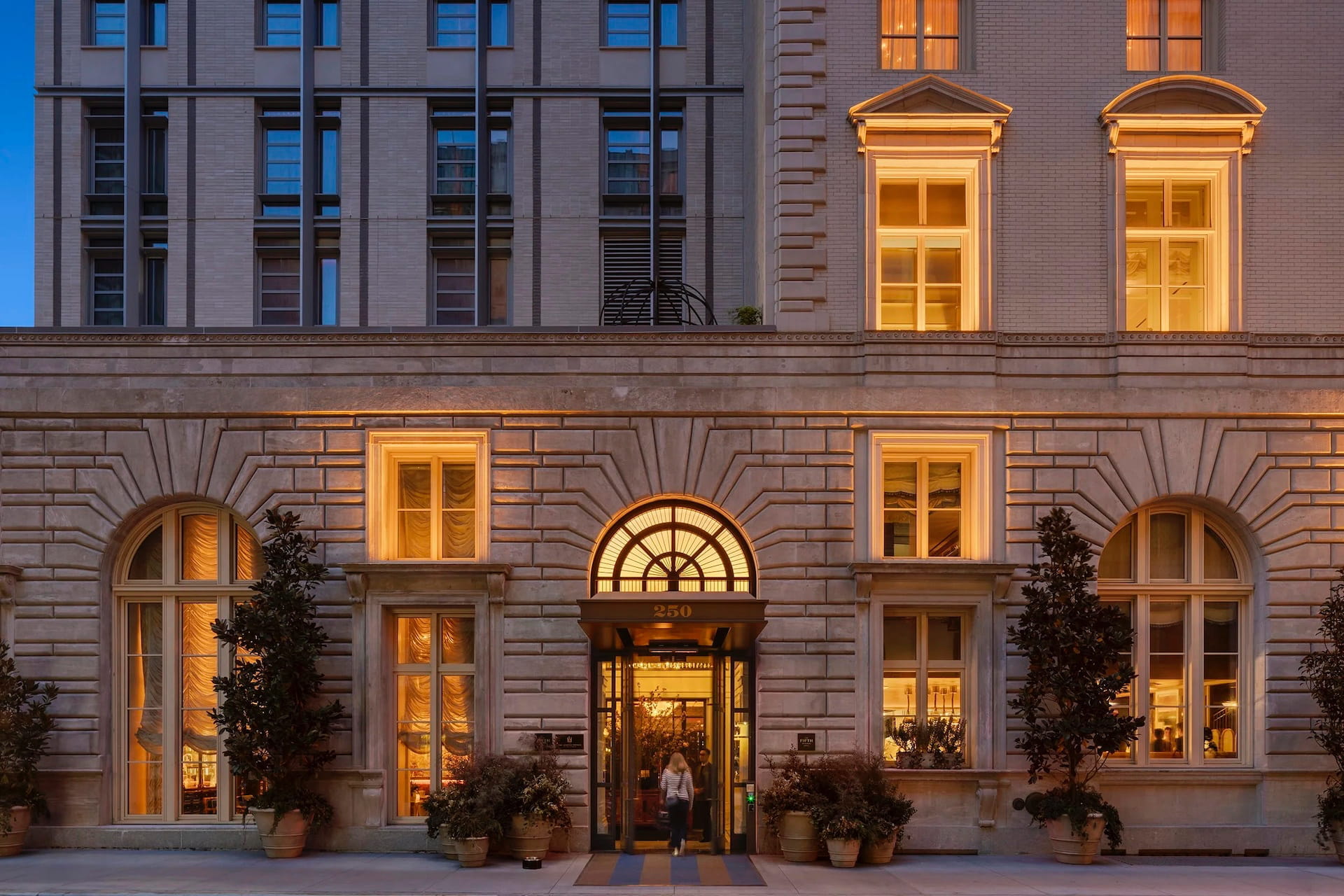
Edge facilities rarely need the sprawling acreage of a suburban campus. They occupy raised floor rooms that once held document archives or empty trading pits. Landlords convert those spaces by reinforcing power feeds, adding redundant cooling, and carving secure cages that meet carrier and financial audit standards. The result is a new class of tenant that pays premium rents for reliability instead of window views.
Building owners must still confirm that structural capacity, egress paths, and fire suppression meet modern codes. Conversion costs can climb quickly if original mechanical shafts prove too narrow. Yet successful projects show that vertical density works when the address already sits on heavy fiber routes and near multiple utility feeds. Readers seeking deeper context on connectivity choices can review Fiber Backbone Connectivity as a Site Selection Factor for NYC Data Centers for the same selection logic applied at larger scales.
Neighborhoods Where Edge Demand Concentrates First
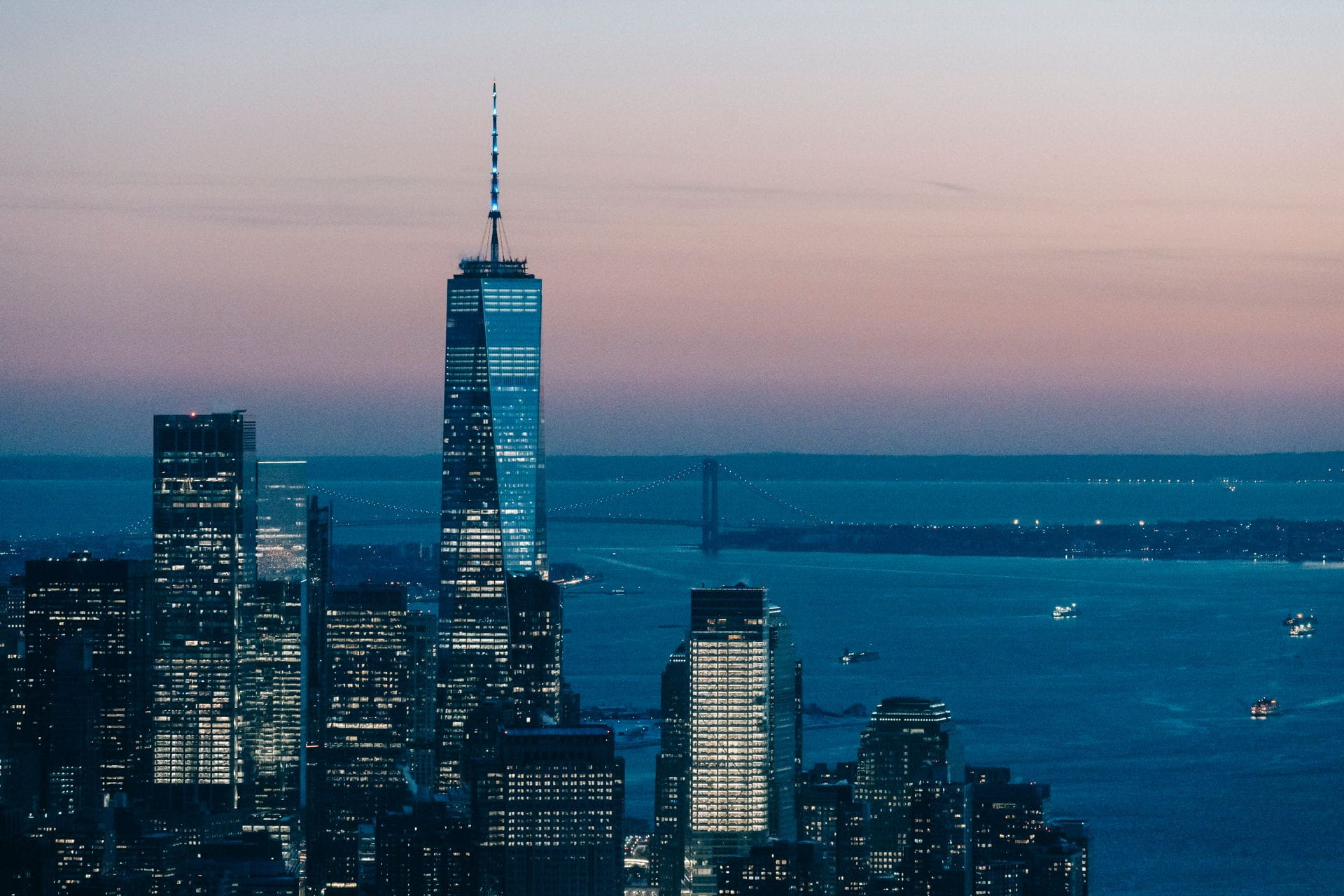
Financial District towers, Hudson Yards campuses, and Midtown East office rows appear most often on shortlists. These districts already house the people and machines that generate the data traffic edge systems must serve. Empty floors after hybrid work shifts create inventory that can be reimagined for compute without waiting for ground up construction.
Further uptown or in outer boroughs the same economics reverse. Longer last mile connections and thinner fiber rings raise the cost of meeting latency goals. Developers therefore weigh whether a cheaper outer site can ever match the response times of a denser Manhattan location. The trade off appears repeatedly in private placement memos filed with the US Securities and Exchange Commission, where sponsors outline why they chose one block over another.
Tenant Profiles Filling the New Edge Suites
High frequency trading firms, content streaming platforms, hospital imaging networks, and artificial intelligence inference providers form the core demand base. Each group values proximity for different reasons yet all require guaranteed power, low latency peering, and 24 hour access. Understanding who signs these leases clarifies why certain buildings fill faster than others. A fuller portrait appears in Understanding the Tenant Profile Behind America's Data Center Boom.
Many of these tenants also expand into larger regional facilities for training or archival storage. The Manhattan edge node then becomes the front end that talks to users while bulk work happens elsewhere. That split model keeps the island footprint modest yet strategically vital.
How Artificial Intelligence Traffic Multiplies Edge Appetite
Training large models still happens in distant campuses with abundant power, but everyday inference and real time personalization prefer local nodes. Customer facing applications that once tolerated cloud round trips now demand sub 10 millisecond answers. The same forces that fuel broader infrastructure growth therefore spill into smaller Manhattan rooms. More detail on the larger wave sits in How AI Compute Demand Is Driving America's Infrastructure Boom and in the companion piece AI Infrastructure Demand Is Reshaping America's Real Estate Map.
Landlords who grasp the distinction between training campuses and edge rooms avoid overbuilding mechanical plants that edge tenants never need. Smaller power and cooling packages suit most inference workloads, lowering both capital cost and permitting friction.
Comparing Compact Edge Rooms to Regional Hyperscale Projects
Hyperscale campuses arriving elsewhere in the region absorb massive power blocks and hundreds of acres. Edge rooms inside Manhattan towers cannot and should not try to match that scale. They serve a different layer of the stack. Readers can explore the contrast in Hyperscale Data Centers Are Arriving in America. Here Is What Changes. Meanwhile, the land math for bigger sites is covered separately in Land Requirements for Data Center Development in the America Region.
International capital flows also matter. Macro research from IMF publications shows how interest rate cycles and technology investment waves travel together. When global funding remains plentiful, more edge conversions clear underwriting hurdles inside expensive Manhattan buildings.
Site Due Diligence Steps That Actually Matter
Prospective tenants and investors begin with fiber diversity, dual power feeds, and elevator capacity for equipment. They next examine flood elevations, generator placement options, and rooftop space for cooling towers or dry coolers. Housing and community data from HUD User research sometimes enter the conversation when a project might affect surrounding residential blocks or trigger community benefits agreements.
Legal teams then map zoning overlays, special purpose districts, and any historic designations that could slow mechanical upgrades. Early conversations with utility planners prevent later surprises about available capacity. Foundation maintains an Infrastructure Technology archive that collects similar case studies so decision makers can compare patterns without starting from zero each time.
Common questions about documentation, timelines, and typical lease structures appear in the FAQ (frequently asked questions). Reviewing those answers before a first tour saves months of mismatched expectations between landlords and compute tenants.
Edge computing real estate Manhattan therefore sits at the intersection of physics, tenant economics, and existing building stock. The island will never host the largest facilities, yet it will continue to host the most latency sensitive ones. Owners who convert thoughtfully capture durable demand while neighborhoods retain the mixed character that makes them productive. Careful measurement of milliseconds and kilowatts, not slogans, decides which addresses succeed.
Readers comparing notes on Edge Computing Demand and Its Real Estate Footprint in in America should keep one dated source list and one named owner for updates so the next review of Edge Computing Demand and Its Real Estate Footprint in does not restart definitions. Article reference newyork-081.
If two teams disagree about Edge Computing Demand and Its Real Estate Footprint in, write the disagreement in one paragraph with the evidence each side trusts before any money language expands around Edge Computing Demand and Its Real Estate Footprint in. Article reference newyork-081.
A short refusal note for Edge Computing Demand and Its Real Estate Footprint in should say what was parked, why it was parked, and who can reopen the file on Edge Computing Demand and Its Real Estate Footprint in after new facts arrive in America. Article reference newyork-081.
Related Foundation reading: Track record.
Timeless Value. Perpetual Legacy.