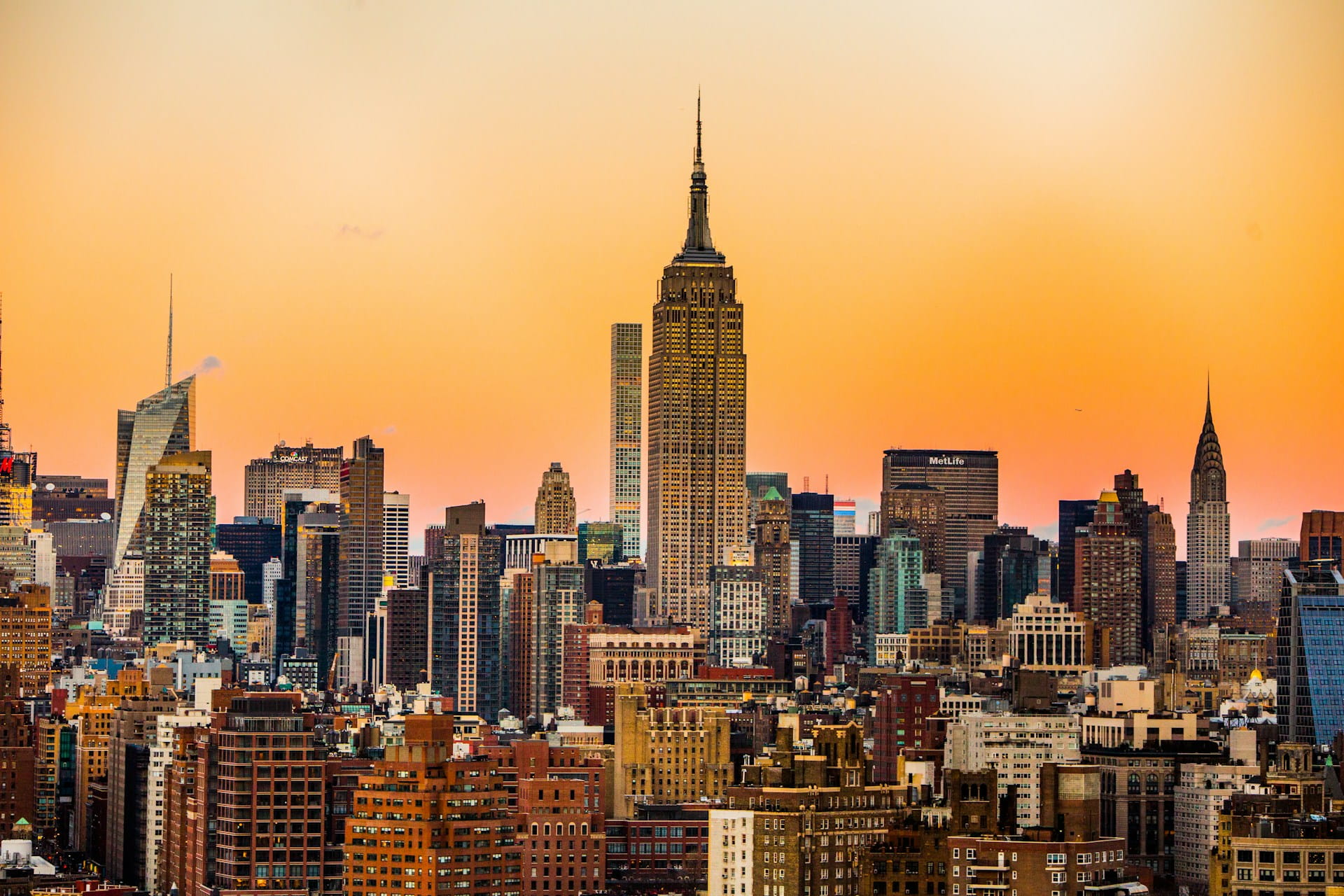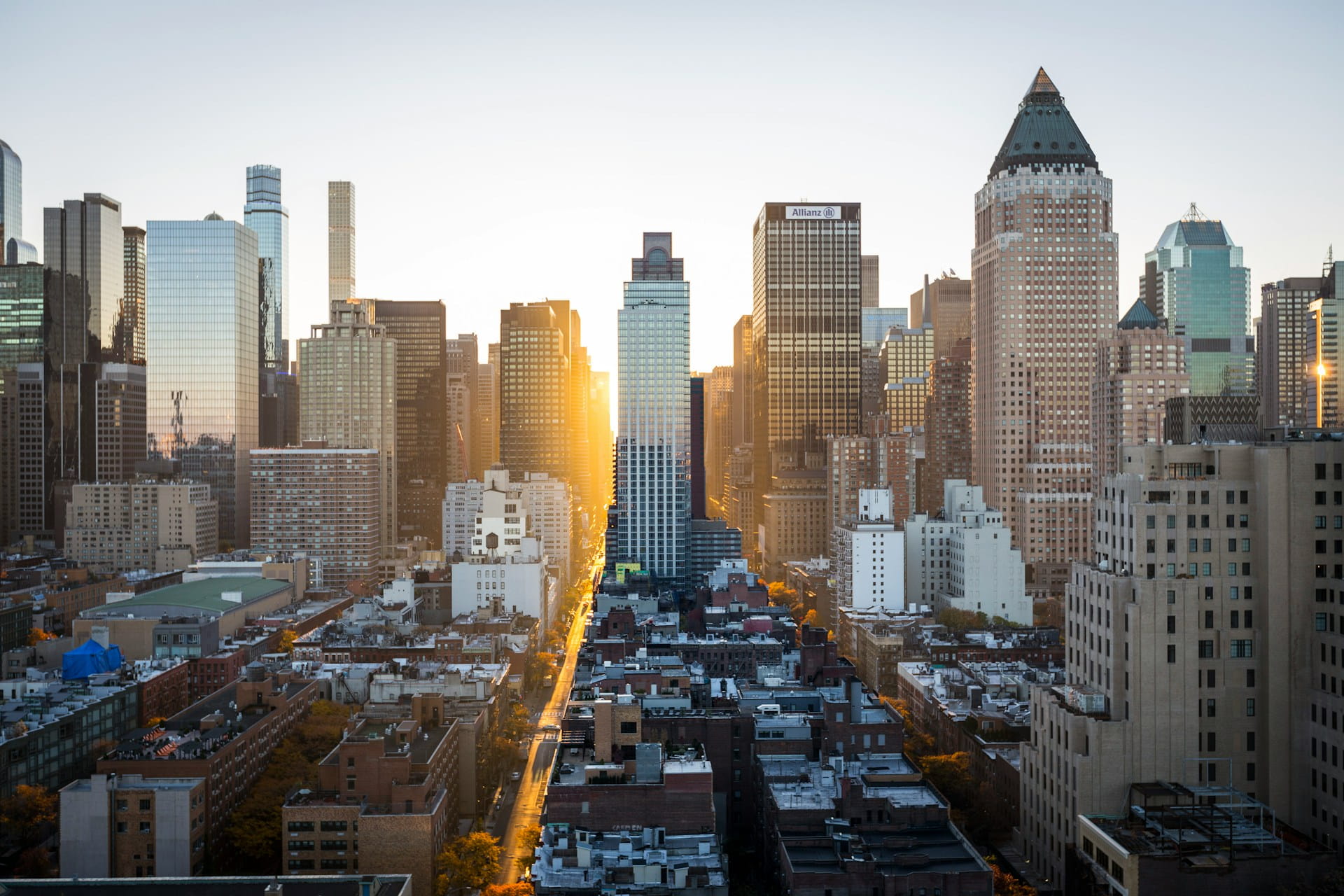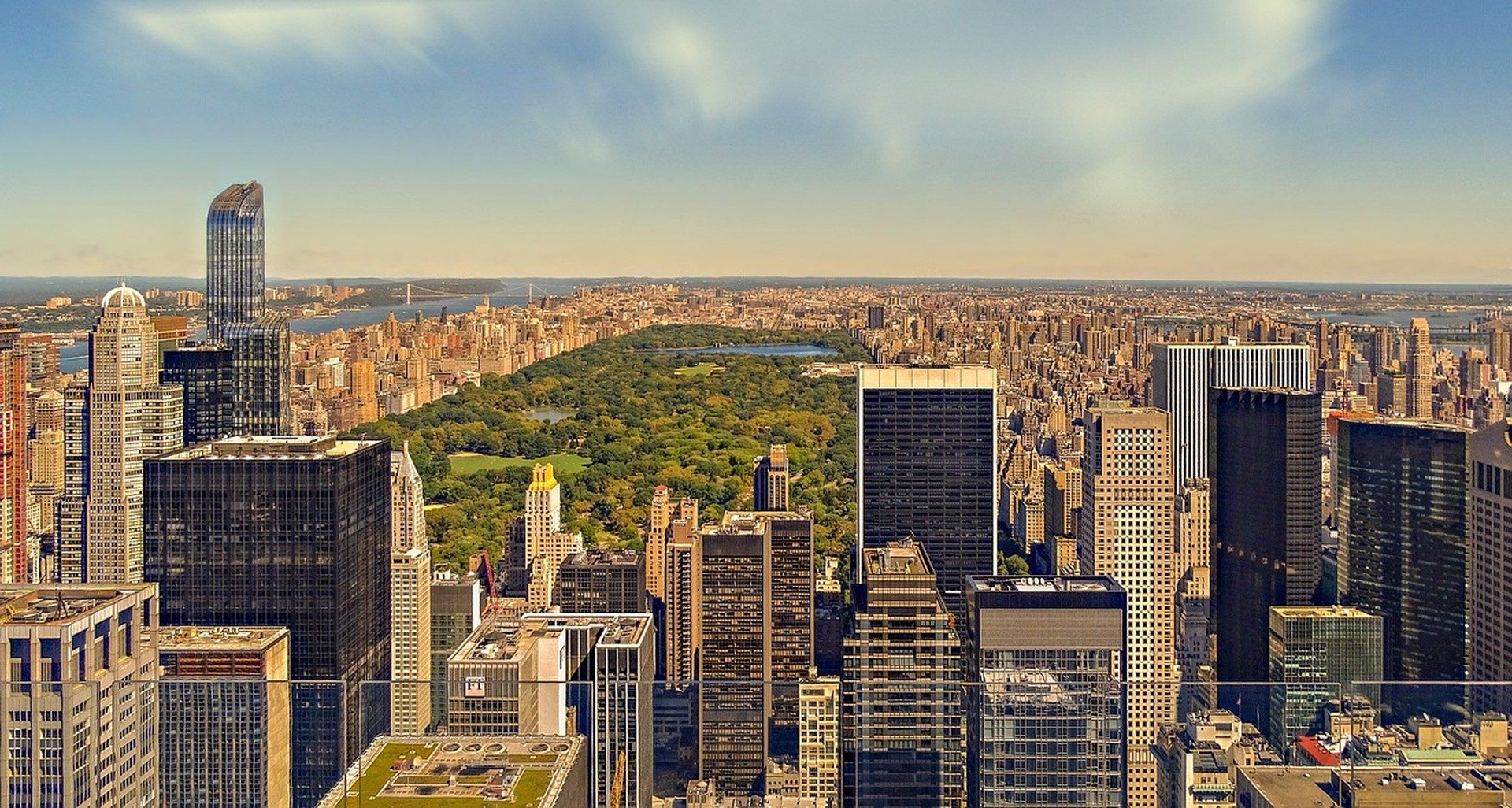
America’s next generation of data halls will live or die by how well they shed heat. Every rack of artificial intelligence (AI) servers produces a furnace-like load, and the city’s dense real estate, humid summers, and strict energy codes leave little room for yesterday’s cooling tricks. Choosing the right cooling technology data centers NYC operators install now will shape power bills, water use, and neighborhood acceptance for decades.
Why Heat Removal Sets the Map for Compute Halls
Servers convert almost all electricity into heat. When those servers pack denser chips, traditional raised-floor air systems simply cannot keep up. Operators therefore treat cooling capacity as a hard limit equal to the power feed itself. A site that cannot reject heat safely will never attract tenants, no matter how many fiber lines reach the curb. That reality links cooling design directly to broader infrastructure debates such as How AI Compute Demand Is Driving America's Infrastructure Boom and forces developers to model thermal performance before they even order steel.
City planners already see the pattern. Buildings once used for garment storage now appear on shortlists only after engineers prove they can vent or recycle megawatts of heat without baking the block. The same scrutiny applies to empty warehouses near the waterfront and former power plants upstate that still enjoy America adjacency.
Air Versus Liquid: Density Forces a Split Decision
Conventional computer-room air handlers still cool older enterprise cages that run under ten kilowatts per rack. Once racks climb past twenty kilowatts, the volume of air required becomes impossible to move without hurricane-speed fans that waste energy and create noise complaints. Liquid cooling, whether cold plates attached to processors or full immersion tanks, handles those higher densities with far less parasitic power.
Most new America projects therefore plan hybrid halls. Legacy clients stay on air while AI training clusters arrive pre-plumbed for liquid. The capital cost is higher, yet the energy savings appear within three years according to early operator reports. Choosing the wrong mix can strand an entire floor for years.
Closed-Loop Water Strategies Along the Hudson
Open cooling towers evaporate thousands of gallons daily and draw regulatory fire in a city already managing drought risk. Closed-loop systems circulate treated water or dielectric fluid through heat exchangers so almost none is lost to the air. That approach also keeps contaminants out of the river and simplifies permits from environmental agencies.
Engineers still face a plumbing puzzle. Existing buildings rarely contain the pipe diameters needed for large liquid flows, so retrofits often require new vertical shafts that compete with elevators and stairs. Greenfield sites in outer boroughs escape that constraint and can design loops from day one. Either path ties cooling decisions to the larger question of Power Availability: The Hidden Bottleneck in America Data Center Development, because every extra pump adds load that must already be scarce.
Immersion Trials Rising in Long Island City
Several operators have begun small-scale immersion baths where servers hang in non-conductive fluid that absorbs heat directly. The fluid then travels to a dry cooler on the roof. Early results show power-usage effectiveness scores well below 1.2, a figure air systems struggle to match in America’s humid climate. Neighbors notice lower fan noise, which softens community opposition.
Challenges remain. Maintenance crews must retrain for fluid handling, and fire codes still treat large dielectric tanks with caution. Yet the density gains, sometimes double the compute per square foot, make immersion attractive for the AI training pods that now dominate leasing conversations. Success here will influence site selection as much as Fiber Backbone Connectivity as a Site Selection Factor for NYC Data Centers already does.
Free-Cooling Hours America Weather Actually Offers
Winter nights and spring shoulders let operators open dampers or run dry coolers without mechanical chillers. America’s climate delivers roughly three thousand free-cooling hours per year if systems are designed for it. That window shrinks when outdoor humidity spikes, so smart controls constantly compare wet-bulb temperature against internal set-points.
Capturing those hours requires larger heat-exchange surfaces and careful freeze protection. The payoff is measurable: each free hour can cut cooling energy by half. Regional economic research from the Federal Reserve Bank of America already tracks how such efficiency gains affect the broader metro cost of doing business, giving operators a public data point when they argue for incentives.
Energy-Code Pressure on Effectiveness Scores
Local Law 97 and state energy codes push every large building toward lower carbon intensity. Data centers report power-usage effectiveness, a ratio of total facility energy to IT energy. Scores above 1.5 now draw scrutiny; scores below 1.3 win faster permits. Cooling technology is the single largest lever for improving that ratio.
Financial markets notice the same metric. Public filings overseen by the US Securities and Exchange Commission increasingly require climate-risk disclosures, so operators that lock in efficient cooling today protect both their license to operate and their access to capital. For deeper background on these infrastructure trends, readers can browse the Infrastructure Technology archive.
How Cooling Choices Lock Power Draw for Decades
Once pipes and chillers are cast into concrete, changing them is nearly as expensive as building a new hall. That permanence turns today’s cooling decision into a multi-decade commitment. A facility that over-sizes air systems will waste megawatts every hour; one that under-sizes liquid loops will cap tenant density and leave revenue on the table.
Investors therefore model cooling scenarios with the same rigor they apply to power contracts. National monetary policy signals from the US Federal Reserve influence the cost of capital for those long-lived assets, while housing and land-use studies published by HUD User research help quantify neighborhood impacts that can delay or accelerate projects. Both data sets appear in internal risk memos before ground is broken.
The same long horizon explains why cooling debates now sit inside larger conversations about AI Infrastructure Demand Is Reshaping America's Real Estate Map and the arrival of truly massive facilities described in Hyperscale Data Centers Are Arriving in America. Here Is What Changes. Cooling is no longer a mechanical afterthought; it is a primary zoning and financing constraint.
Hybrid Racks Preparing for Tomorrow’s AI Clusters
Tomorrow’s chips will run even hotter. Design teams already leave spare cooling capacity and modular manifolds so new liquid loops can be added without draining the whole system. Some halls will mix air-cooled and liquid-cooled rows on the same floor, letting tenants migrate gradually as their workloads intensify.
Operators who plan that flexibility today will lease space faster when the next wave of models arrives. Those who treat cooling as a fixed afterthought will face costly retrofits just as demand peaks. For practical questions about how Foundation tracks these shifts, visit the FAQ (frequently asked questions) page or browse recent posts on the Blog.
Readers comparing notes on Cooling Technology Choices Shaping America s Next Data in America should keep one dated source list and one named owner for updates so the next review of Cooling Technology Choices Shaping America s Next Data does not restart definitions. Article reference newyork-079.
Related Foundation reading: Contact, Foundation World America hub, and Building Management System Integration: Supply and Demand Scorecard.
Timeless Value. Perpetual Legacy.