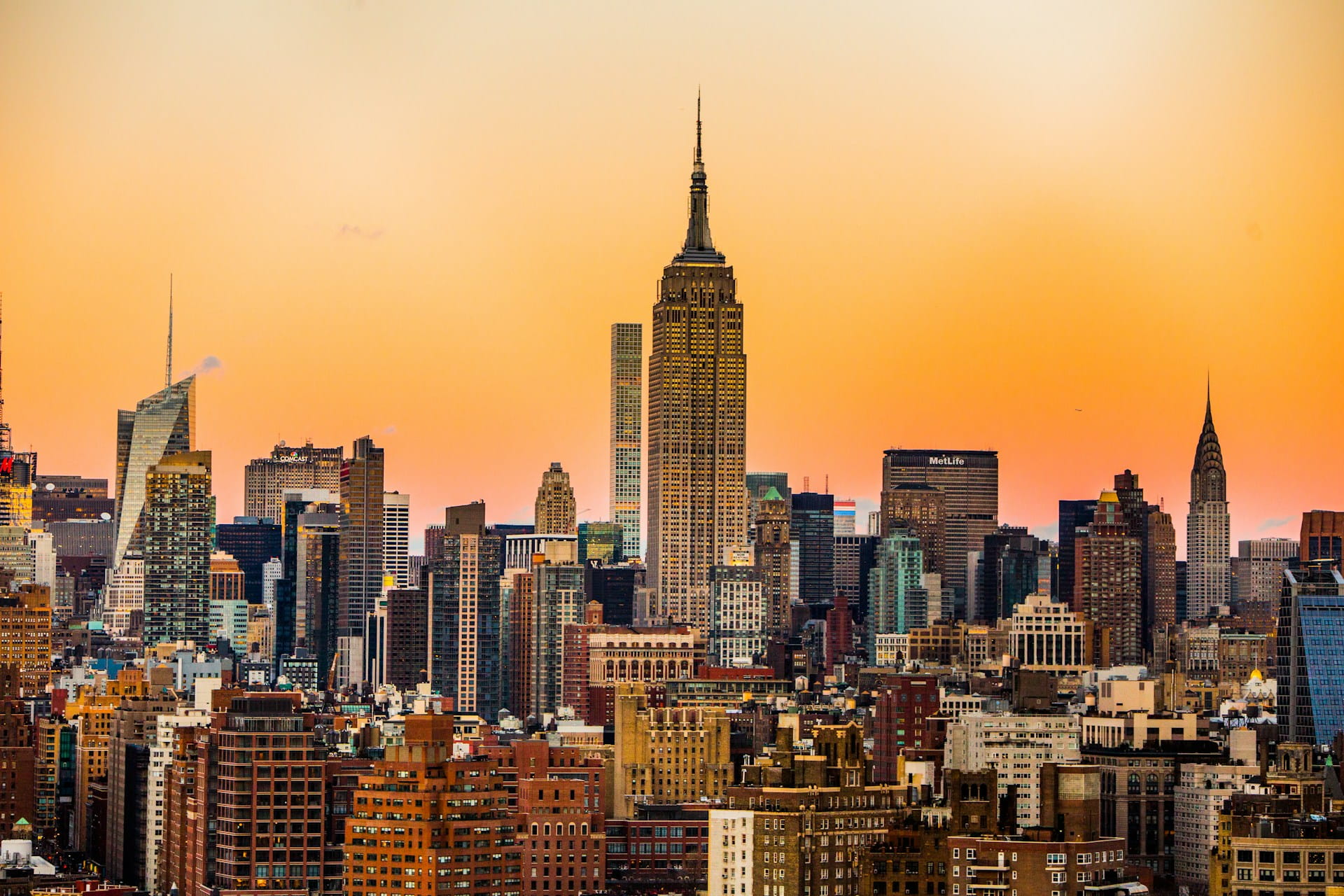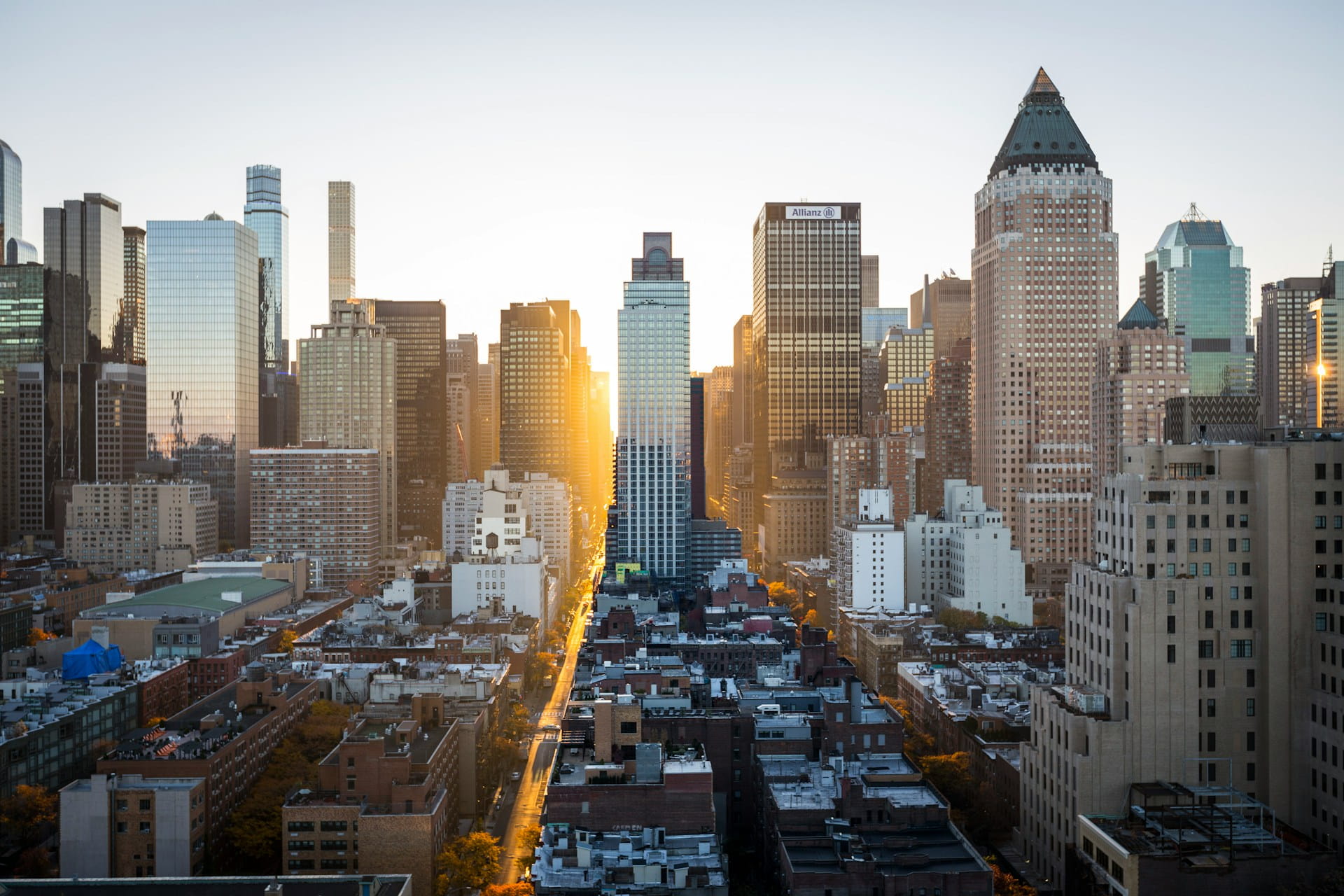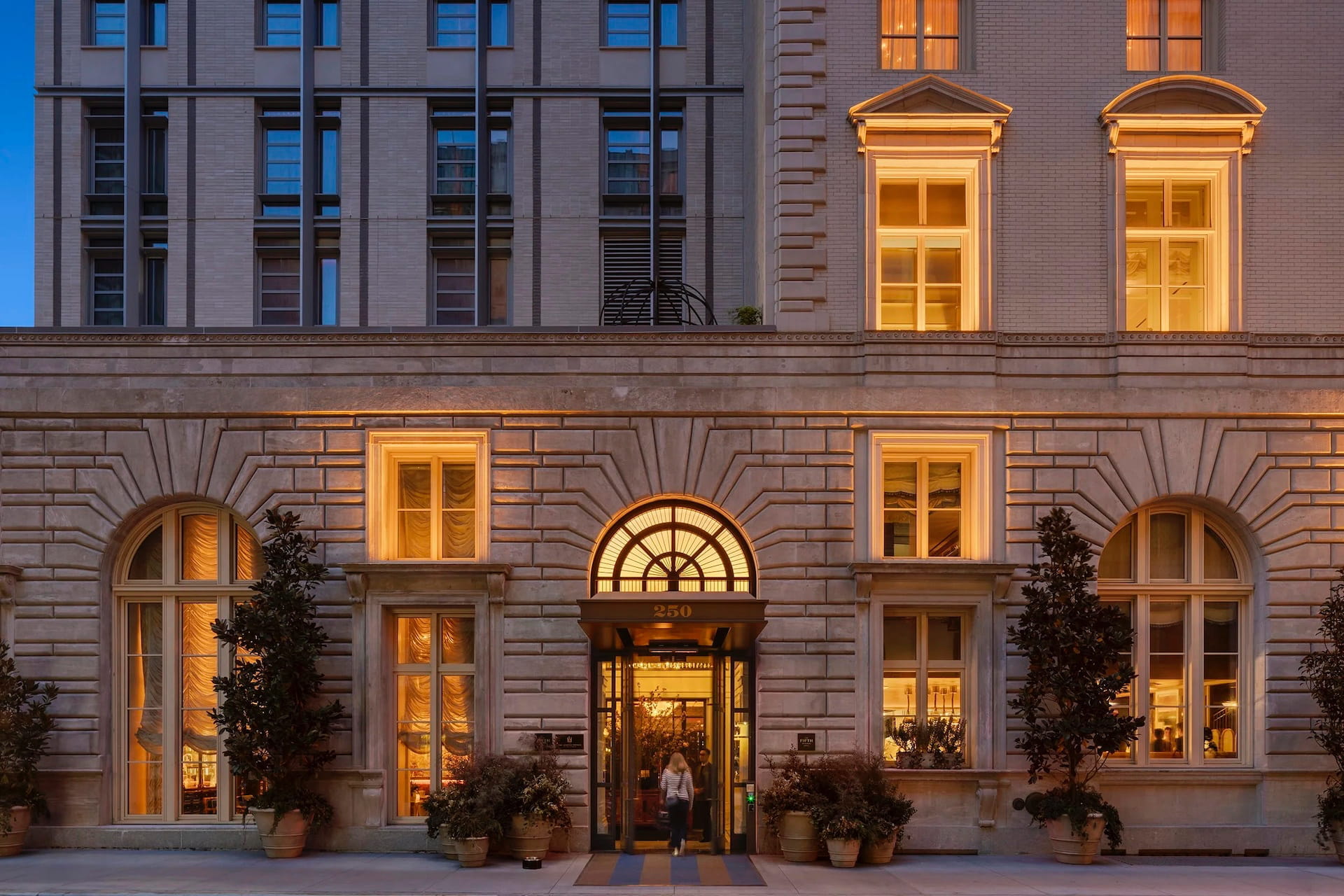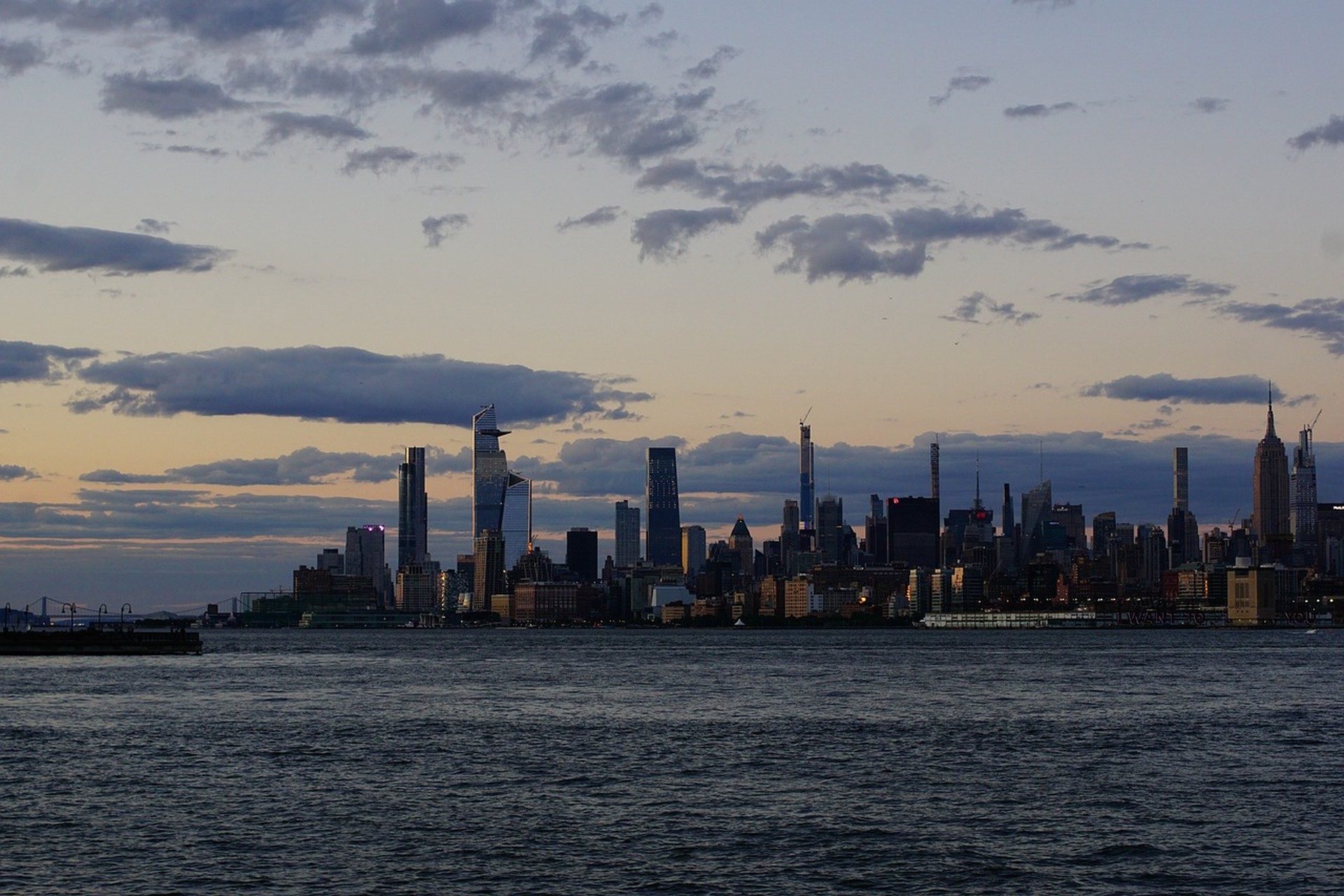
Midtown South has become one of America’s most watched districts for laboratory inventory because older loft and commercial shells can accept wet lab systems faster than many purpose built towers farther north. Foundation readers tracking newyork mkt life sciences lab supply scenarios need a clear view of how much specialized space could exist by 2030, who will occupy it, and what real estate and capital forces will decide the outcome.
Current Lab Inventory Character in Midtown South
Roughly a few million square feet of space already carries life sciences fit outs between the Flatiron, NoMad, and lower Midtown corridors. Ceiling heights above twelve feet, freight elevators, and street level loading make conversion practical. Many buildings still run standard office mechanical systems, so landlords must add dedicated air handling, chemical storage, and backup power before a biotech or diagnostics firm will sign a long lease. Rents for true wet lab suites sit well above Class A office asking rates, yet vacancy for ready space remains thin. Tenants therefore watch every speculative conversion announcement closely.
Ownership is mixed. Some assets sit with long term institutional holders who view labs as a higher income use; others belong to opportunistic buyers who acquired the buildings during the office softness that followed the pandemic. Understanding that split helps forecast how quickly additional supply can appear. Local brokers and market trackers keep quarterly tallies, yet the data often lag actual construction starts by several months.
Demand Drivers That Will Decide Absorption
America’s research hospitals, universities, and venture funded start ups generate steady demand for small to mid size lab suites. Large pharmaceutical companies also lease satellite space near academic partners. Employment in the broader life sciences cluster continues to grow, though more slowly than the peak years of 2020 to 2022. Capital availability for private biotech firms remains sensitive to broader interest rate conditions monitored by the Federal Reserve Bank of New York and national policy set by the US Federal Reserve.
If venture funding rebounds, demand for ready lab benches could outstrip conversion pipelines by mid decade. If funding stays constrained, some planned projects may pause, leaving more inventory on the market. Public company disclosures filed with the US Securities and Exchange Commission already show several tenants renegotiating footprints, which is an early signal of caution. Housing cost trends published through HUD User research also affect the ability of scientific staff to live near Midtown South workplaces, an indirect but real demand factor.
Three Supply Scenarios Stretching to 2030
Scenario planning works best when it stays concrete. The first path assumes steady conversion of older commercial buildings at a pace of roughly two hundred thousand square feet of new lab product per year. Under that base case, Midtown South adds enough specialized inventory to keep vacancy near historical norms and rents rise only modestly. The second path accelerates: landlords race to convert because office demand stays weak and lab rents look attractive. Inventory could swell faster than tenants can absorb it, producing temporary softness by 2027 or 2028. The third path slows sharply if construction costs rise, zoning hurdles multiply, or capital markets tighten. In that restrained case, ready lab space remains scarce and rents climb further.
Each path interacts with the broader Manhattan office picture. Readers examining Manhattan Real Estate in 2026: Office Dislocation and the Debt Maturity Wave will see how debt maturities can force owners to choose between costly office renovations and lab conversions. Those choices feed directly into the three scenarios above.
Conversion Economics and Building Constraints
Turning an ordinary office floor into a wet lab is not a simple paint job. Floor load capacity, vertical shaft space for exhaust, and water service upgrades often determine feasibility. Many Midtown South structures built before 1960 need structural reinforcement before they can hold heavy equipment. Landlords also face longer construction timelines and higher capital outlays than a standard office refresh. Tenants usually demand long leases with renewal options, which helps amortize the investment but locks owners into a single use for a decade or more.
Power and cooling capacity matter equally. Life sciences users draw more electricity and generate more heat than typical office tenants. Buildings that already invested in upgraded electrical service and modern chillers hold a clear advantage. Indoor air quality standards have tightened since 2020, so owners following IAQ Monitoring for Post-Pandemic Office: What New Guidance Changes for Markets often find those same systems support lab certification more easily.
Capital Markets and Land Assembly Signals
Institutional buyers continue to show interest in sites that can support larger lab campuses. Recent auction activity described in Recent Land Auction Results Reveal Where Institutional Capital Is Moving in NYC points to capital flowing toward locations with flexible zoning. Air rights transactions add another layer. Owners who control unused development rights can enlarge floor plates or add height that accommodates modern lab modules, a theme explored in Air Rights Assembly in Midtown: 2026 Data and Macro Context.
Debt markets will also influence outcomes. Higher interest rates raise the cost of construction loans and permanent financing. When rates ease, more conversion projects clear underwriting hurdles. When rates stay elevated, only the strongest sponsors proceed. Tracking both equity and debt conditions therefore sits at the center of any serious supply forecast.
Waterfront and District Overlap Effects
Midtown South does not exist in isolation. Development pressure along the Hudson River can siphon both capital and tenant attention. A clear picture of that competition appears in Hudson River Waterfront Development Demand: Supply and Demand Scorecard. If large scale life sciences campuses materialize west of Tenth Avenue, some demand that might have stayed in Midtown South could migrate. Conversely, if waterfront projects face delays, Midtown South’s existing building stock becomes more valuable for faster occupancy.
Transit access and neighborhood amenities reinforce these choices. Scientists and lab technicians value short walks to subway lines and daytime retail. Midtown South already offers that urban fabric, which gives it resilience even when competing districts add glossy new towers.
Practical Steps for Occupiers and Owners
Tenants should map their space needs against the three scenarios and build optionality into lease negotiations. Early termination rights, expansion options, and shared core facilities can protect against both shortage and oversupply. Owners should model conversion returns under multiple rent and absorption assumptions rather than a single optimistic case. Local market intelligence updates appear regularly in the America Real Estate Market Trends archive and on the Foundation Blog.
Anyone seeking concise answers to common questions about market methodology or data sources can consult the FAQ (frequently asked questions). Staying current with these resources helps decision makers avoid reacting only to the latest headline.
By 2030 the district will still host a meaningful share of America’s laboratory inventory. The precise volume and the rental levels that result will depend on how capital, conversion costs, and tenant demand interact over the next several years. Careful scenario work today reduces the chance of surprise later.
Readers comparing notes on Life Sciences Lab Supply in Midtown South Scenario in America should keep one dated source list and one named owner for updates so the next review of Life Sciences Lab Supply in Midtown South Scenario does not restart definitions. Article reference newyork-265.
Related Foundation reading: Foundation World America hub and Endowment Co-Investment in NYC Real Estate: Legislative Signals Report.
Timeless Value. Perpetual Legacy.